About
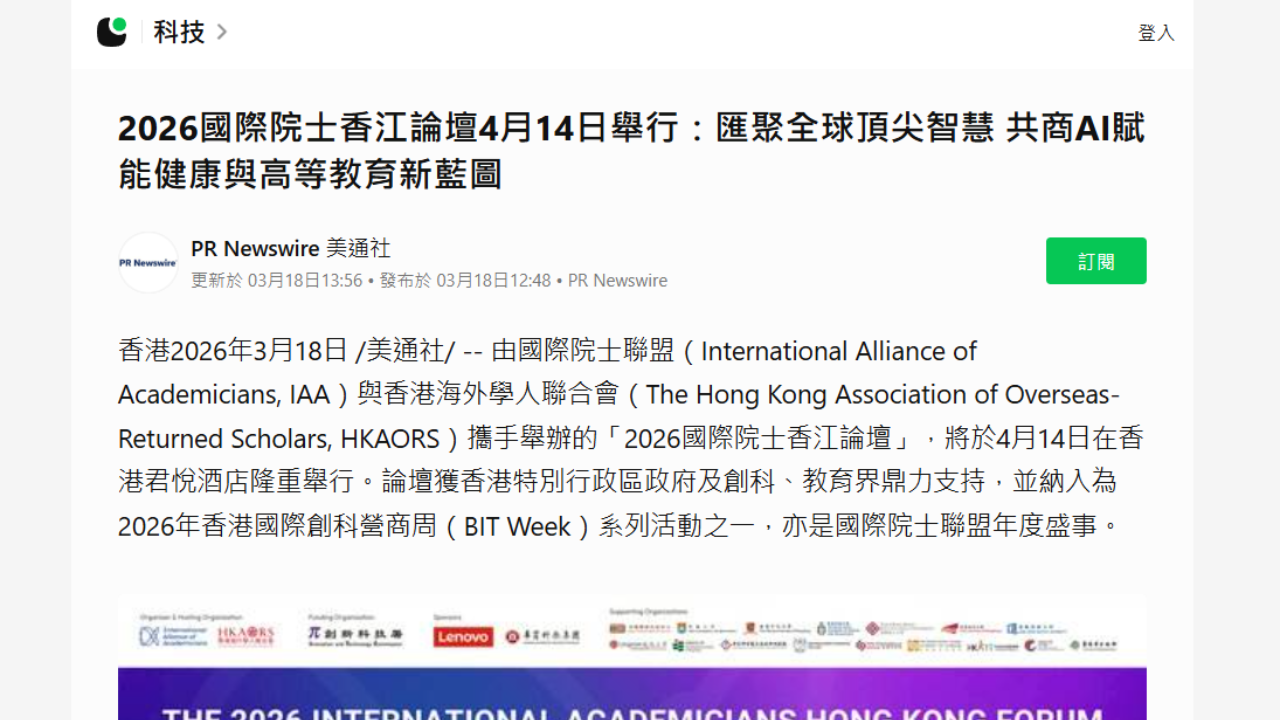
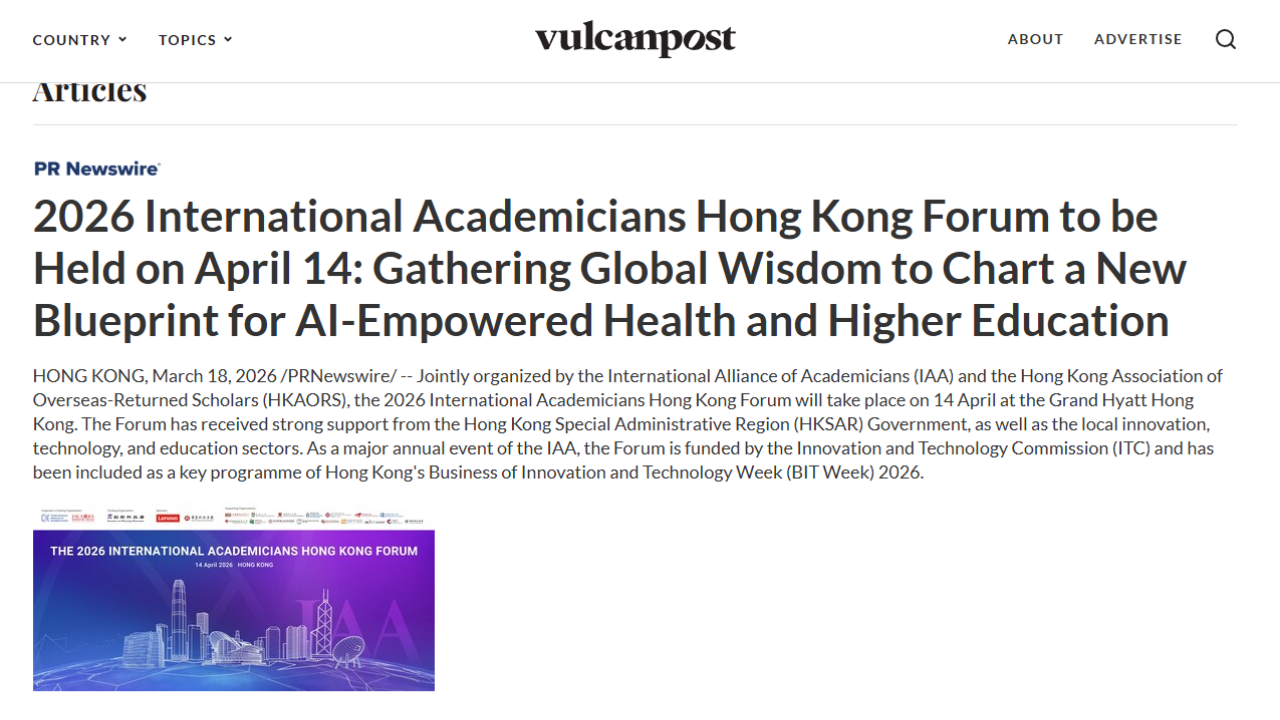
The 2026 International Academicians Hong Kong Forum serves as a platform for advancing interdisciplinary dialogue. Organised and hosted by the International Alliance of Academicians (IAA) and the Hong Kong Association of Overseas-Returned Scholars (HKAORS), and funded by the Innovation and Technology Commission (ITC), the Forum centers on two intersecting themes: “AI for Ageing” and “AI in Education.” Through plenary lectures, roundtable discussions, keynote speeches, and panel discussions, the Forum creates an environment conducive to open, in-depth exchange.
The speaker lineup features globally renowned experts, including Fields Medalist Professor Shing-Tung Yau, distinguished academicians and specialists in medicine, artificial intelligence, and higher education. Presidents and Vice Presidents from local universities will also take part in shaping discussions that bridge cutting-edge research with real-world applications, helping to sustain the momentum of Hong Kong’s innovation and technology ecosystem.
As part of the 2026 Business of Innovation & Technology Week (BIT Week) in Hong Kong, the Forum reinforces the city’s role as a vital link between the global scientific community and the region. It further solidifies Hong Kong’s standing as an international academic hub and contributes to its long-term vision of becoming a leading global center for innovation and technology.
Join us in Hong Kong for a day of insight, dialogue, and connection with the world's leading academic minds.
Strengthen Hong Kong's Role as a Global I&T Hub
The Forum directly supports the HKSAR Government's vision and the city's inaugural five-year plan (2026-2030) by convening Nobel laureates and world-leading academicians. It showcases Hong Kong's research excellence and open collaboration, solidifying its position as an international innovation and technology centre and amplifying its global influence.
Foster Sustainable Academic-Industry Collaboration
Through focused themes on "AI for Ageing" and "AI in Education," the Forum facilitates high-level dialogue between top scientists, industry leaders, and policymakers. It aims to translate breakthrough research into real-world solutions—such as policy recommendations, health initiatives, and EdTech applications—while building lasting partnerships that embed global expertise within Hong Kong's innovation ecosystem.
Inspire Public Engagement and Cultivate I&T Culture
The Forum is committed to maximizing societal impact through multi-channel outreach, including live-streamed sessions, social media dissemination, media partnerships, and university collaborations to engage students. By making cutting-edge science accessible, it enhances public scientific literacy and inspires the next generation of innovators, reinforcing Hong Kong's identity as a dynamic, forward-looking knowledge economy.
Distinguished Speakers
Plenary Lecture
University Presidents Roundtable Discussion
Thematic Session 1
Thematic Session 2
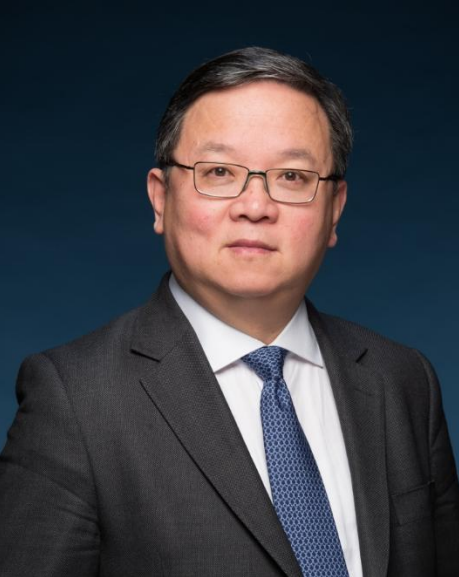
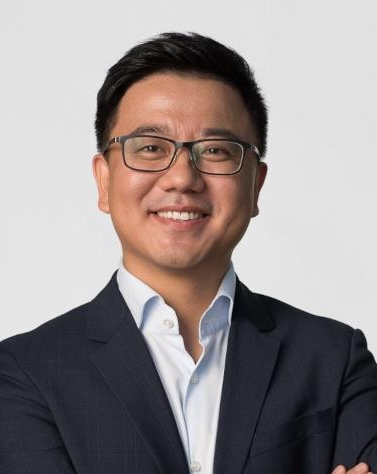
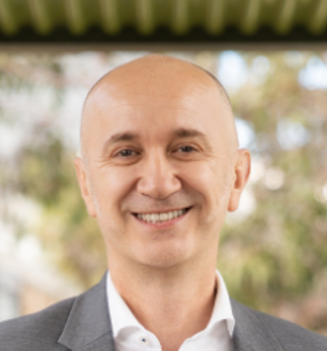
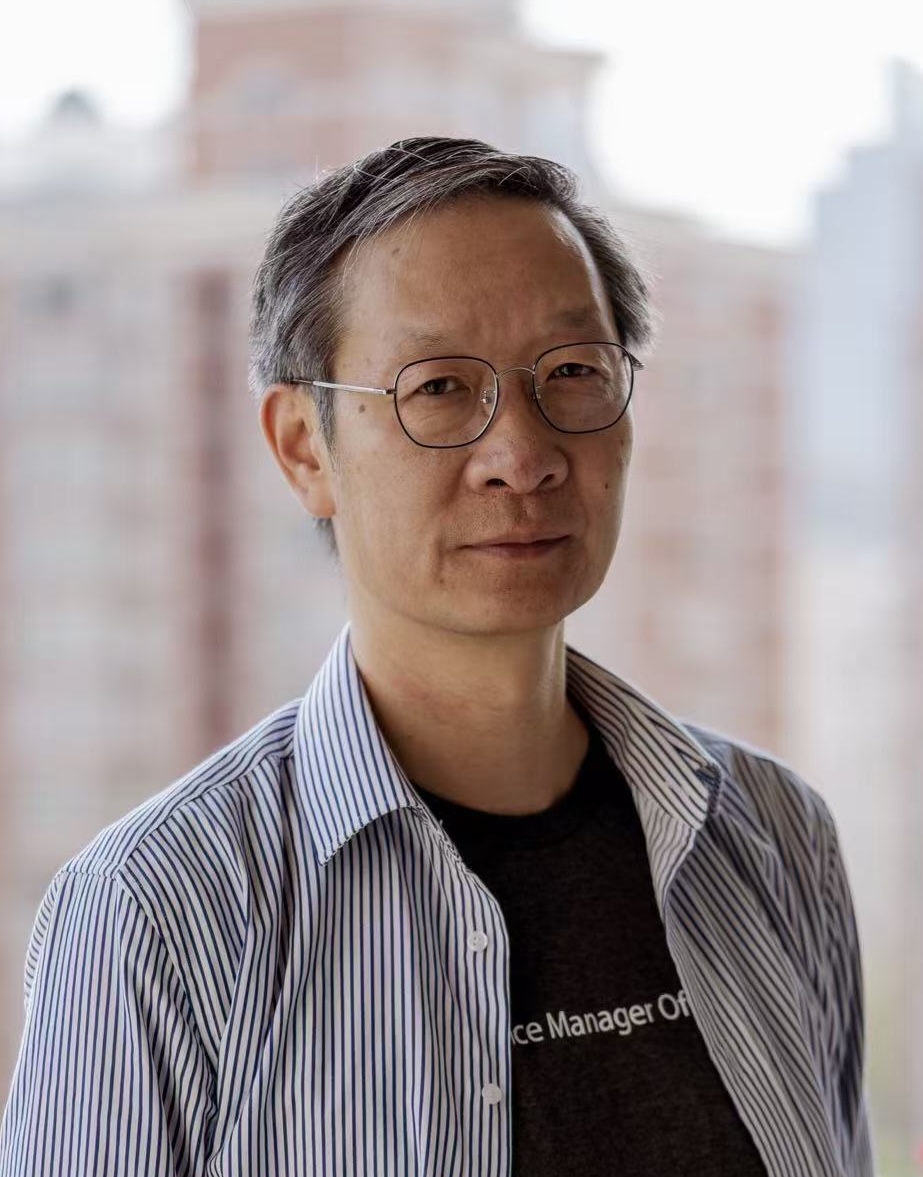
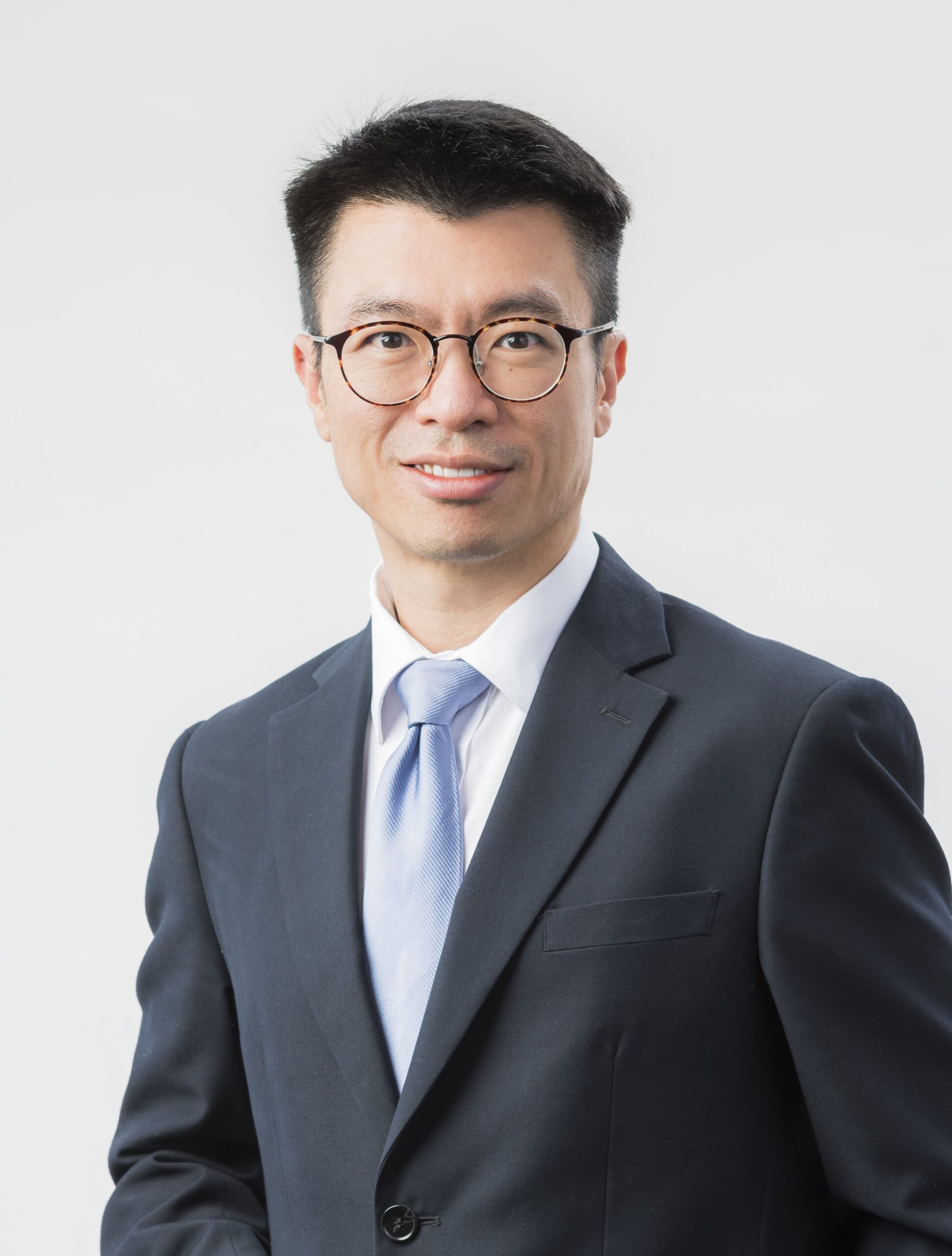
Director of Yau Mathematical Sciences Center and Qiuzhen College, Chair Professor, Tsinghua University
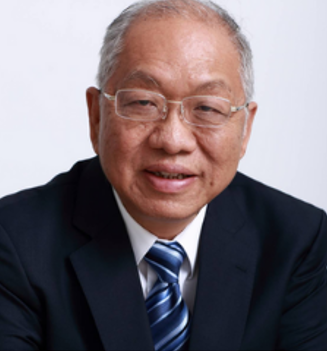
Professor Shing-Tung Yau is a member of the U.S. National Academy of Sciences (NAS), the American Association for the Advancement of Science (AAAS), and a foreign academician of the Chinese Academy of Sciences (CAS). He is globally renowned for his transformative contributions to differential geometry. In 1976, he proved the Calabi Conjecture. In 1979, together with Richard Schoen, he solved the Positive Mass Conjecture in general relativity.
In 1982, he was awarded the Fields Medal. His other honours include the Veblen Prize in Geometry, a MacArthur Fellowship, the Crafoord Prize, the U.S. National Medal of Science, the Wolf Prize in Mathematics, the Marcel Grossmann Award, and the Shaw Prize in Mathematical Sciences.
Professor Yau currently serves as a chair professor at Tsinghua University, where he is also Director of the Yau Mathematical Sciences Center and Qiuzhen College. He also serves as Dean of the Beijing Yanqi Lake Institute of Mathematical Sciences and Applications, playing a key role in advancing mathematical research and education in China.
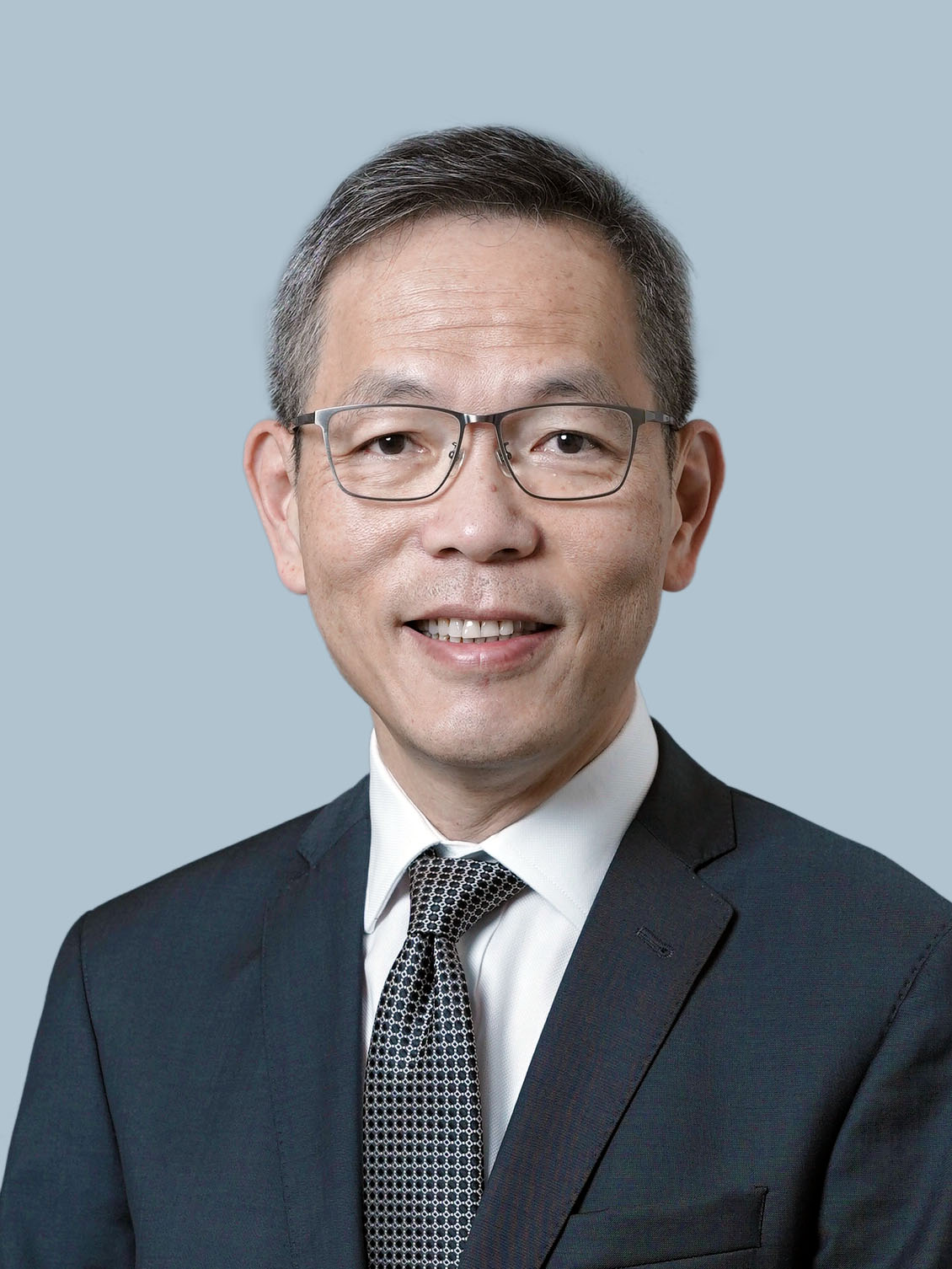
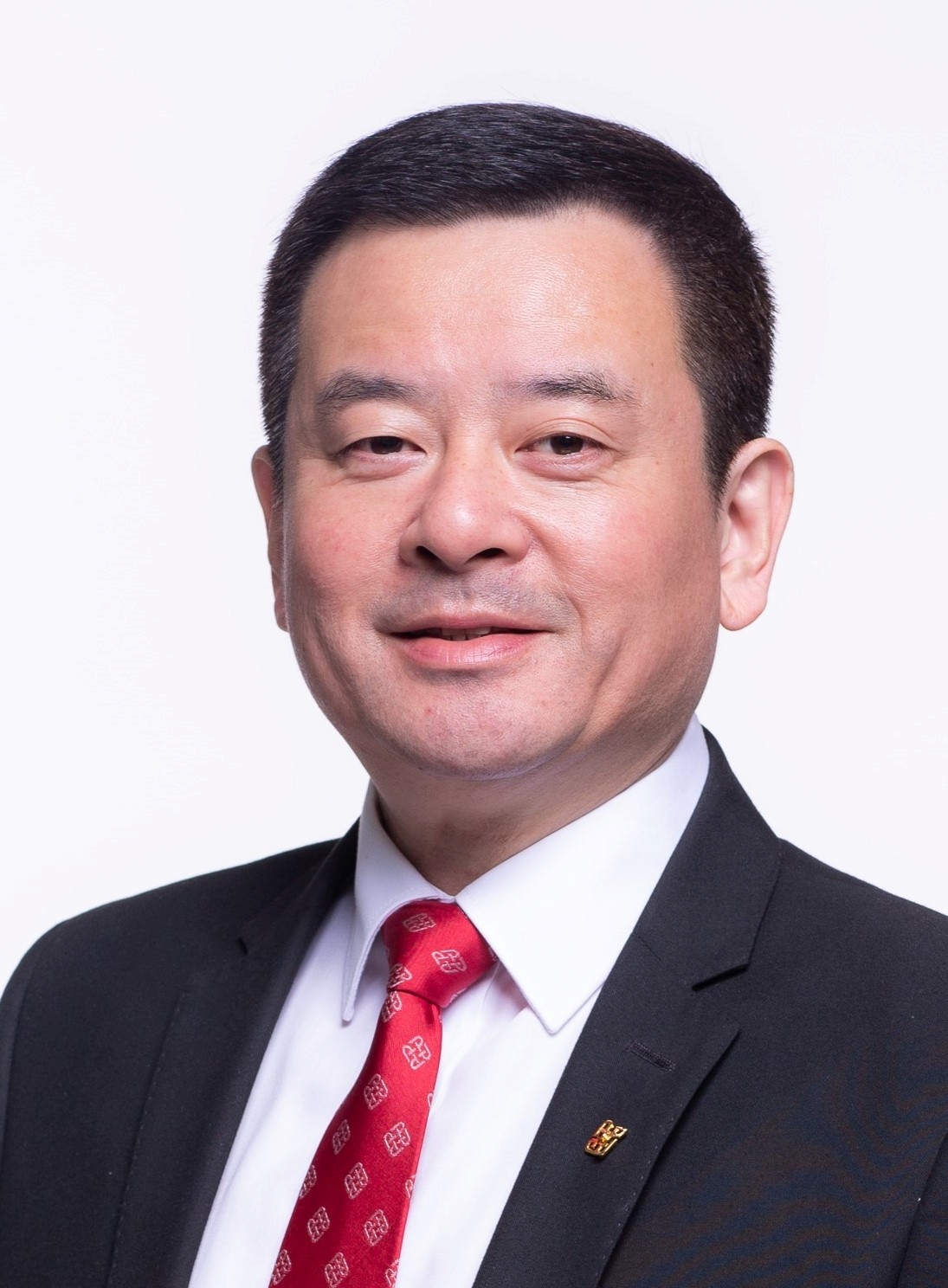
Dean of Medicine, The University of Hong Kong
Professor CS Lau is an international expert in rheumatology. He presided over the Hong Kong Academy of Medicine (2016-2020); the Asia-Pacific League of Associations for Rheumatology (2006); and the Hong Kong Society of Rheumatology (1997-2001). He founded the Hong Kong Arthritis & Rheumatism Foundation (2001) and was a member of the Outcomes in Rheumatology, European League Against Rheumatism (EULAR) Scientific Committee. He is an expert advisor to the HKSAR Government on multiple health-related policies and an appointed member of the 14th National Committee of the Chinese People’s Political Consultative Conference (NCCPPCC) representing the health sector, as well as a member of the 14th Beijing Municipal Committee of the CPPCC.
His research interests include systemic lupus erythematosus, rheumatoid arthritis, and related disorders. He is listed in the world’s top 2% most cited scientists by Stanford University and has published over 450 articles and delivered more than 370 presentations. He sits on the editorial board of many peer-reviewed journals.
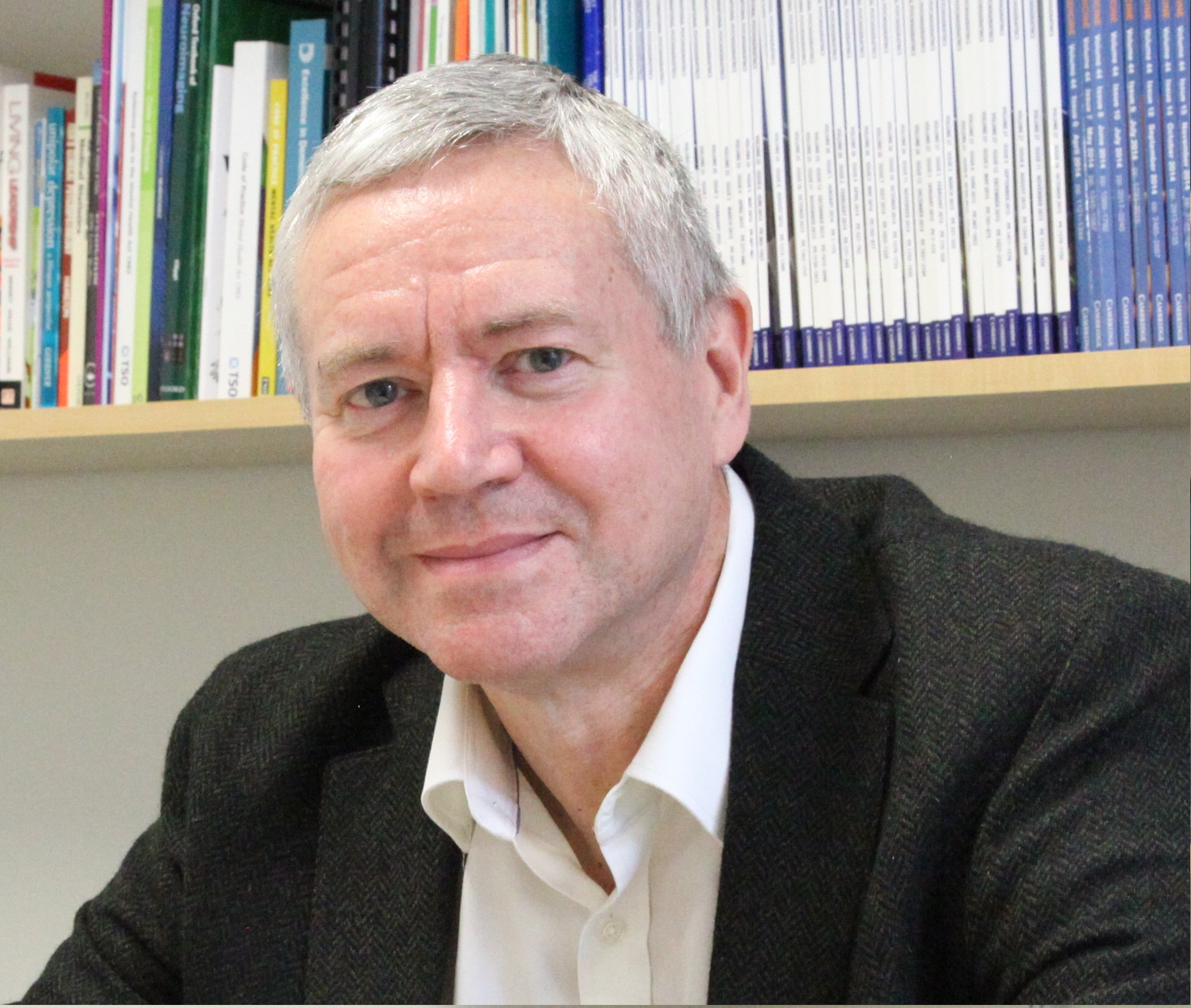
National Institute for Health Research (NIHR) Emeritus Senior Investigator
John O’Brien is Professor of Old Age Psychiatry in the Department of Psychiatry at the University of Cambridge, UK. He undertook his medical and psychiatric training in Cambridge, Oxford and London, and spent two years as a lecturer at the University of Melbourne.
He is a National Institute for Health Research (NIHR) Emeritus Senior Investigator, a Fellow of the UK Academy of Medical Sciences and was the NIHR National Specialty Lead for Dementia. He has been a member of several national (e.g. National Institute for Health and Care Excellence (NICE)) and International Groups involved in developing dementia guidelines and new diagnostic criteria. He is Chair of the judging panel for the International Longitude prize in dementia and a recipient of the Royal College of Psychiatrists lifetime achievement award in Older People’s Mental Health.
His research interests include the use of neuroimaging and other biomarkers in dementia and clinical trials. He has particular expertise in non-Alzheimer dementias, most especially the diagnosis and management of Lewy body dementia.
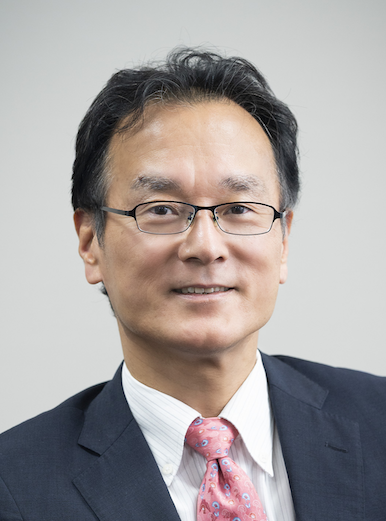
President, The Japanese Association on Sarcopenia and Frailty
Professor Hidenori Arai currently serves as President of the National Center for Geriatrics and Gerontology (NCGG) in Japan, a leading institution dedicated to aging research and clinical care. He is also the President of the Japanese Association on Sarcopenia and Frailty, reflecting his leadership in these critical areas of geriatric medicine.
After graduating from Kyoto University School of Medicine in 1984, Professor Arai was later appointed Professor in the Department of Human Health Science in 2009. In 2015, he joined NCGG as Deputy Director, later becoming Director in 2018 and assuming the presidency in 2019.
Professor Arai plays a prominent role in shaping geriatric research across Asia. He serves as Co-Chair of the Asian Working Group for Sarcopenia and the Asian Working Group for Cachexia, and is President-elect of the IAGG-Asia Oceania Region. His research expertise encompasses frailty, sarcopenia, and dementia. Through his leadership and research, Professor Arai continues to influence geriatric medicine and aging policy both in Japan and internationally.
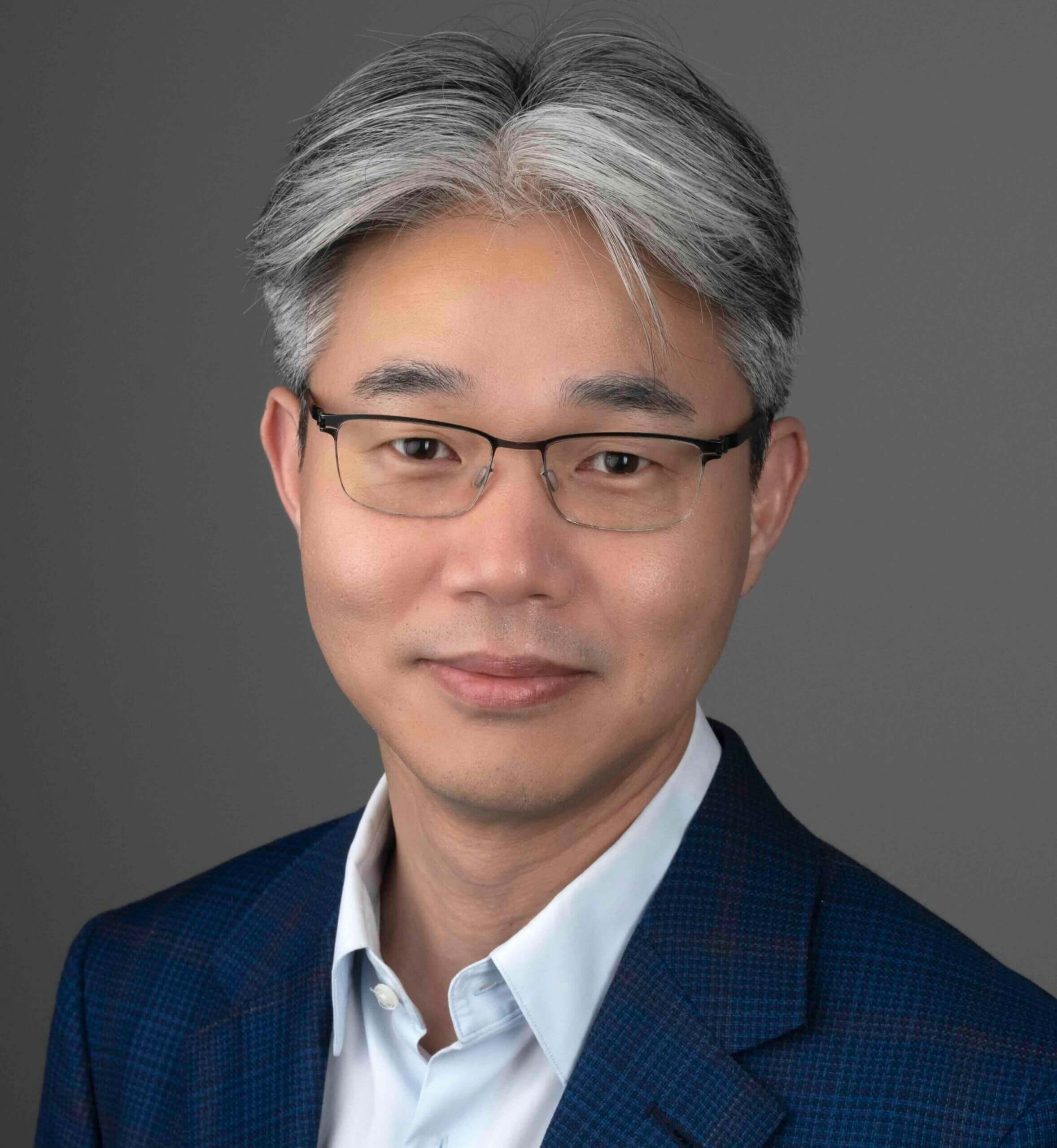
Senior Scientist and Associate Director, Marcus Institute for Aging Research, Hebrew SeniorLife
Dae Hyun Kim, MD, MPH, ScD is a geriatrician, epidemiologist, and Professor of Medicine at Harvard Medical School. He serves as Senior Scientist and Associate Director at the Marcus Institute for Aging Research, Hebrew SeniorLife, and directs the Frailty Research Center.
His work focuses on frailty as a measurable manifestation of aging-related vulnerability and on advancing frailty-guided care for older adults. Dr. Kim’s research integrates clinical epidemiology, data science, and large-scale healthcare data to develop scalable approaches for identifying frailty in clinical care and population health. He has led studies using electronic health records and administrative data to measure frailty and to examine how frailty assessment can inform medication prescribing, surgical decision-making, and health services for older adults with complex medical conditions.
His mission is to disseminate frailty as a framework for improving clinical medicine, population health, and policy in aging societies. His current work explores how emerging technologies—including AI and sensor-based monitoring—may enable earlier detection and continuous monitoring of frailty beyond traditional clinic settings. Supported by the U.S. National Institutes of Health, his research aims to translate frailty measurement into actionable strategies that help older adults maintain independence and quality of life.
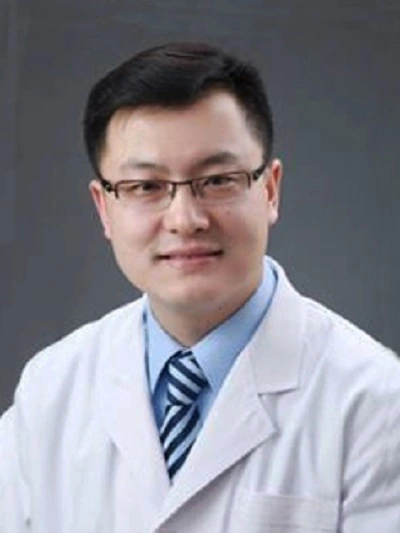
Tenured professor, Peking Union Medical College
Wenming Wu is currently Vice President of Peking Union Medical College Hospital (PUMCH). He is also a tenured professor at Peking Union Medical College, Chief Physician in the Department of General Surgery at PUMCH, and a doctoral supervisor. He has long been committed to basic, translational, and clinical research in pancreatic oncology.
Professor Wu has published influential studies in leading international journals, including Gut, Cell Research, and Nature Cancer, and his work has received wide recognition from the global academic community.
He currently serves as Vice President of the Chinese Association of Pancreatology, President-Elect of the Chinese Society of Surgery, Chinese Medical Association, Vice President of the Chinese College of Surgeons, and Executive Editor-in-Chief of the Journal of Pancreatology.
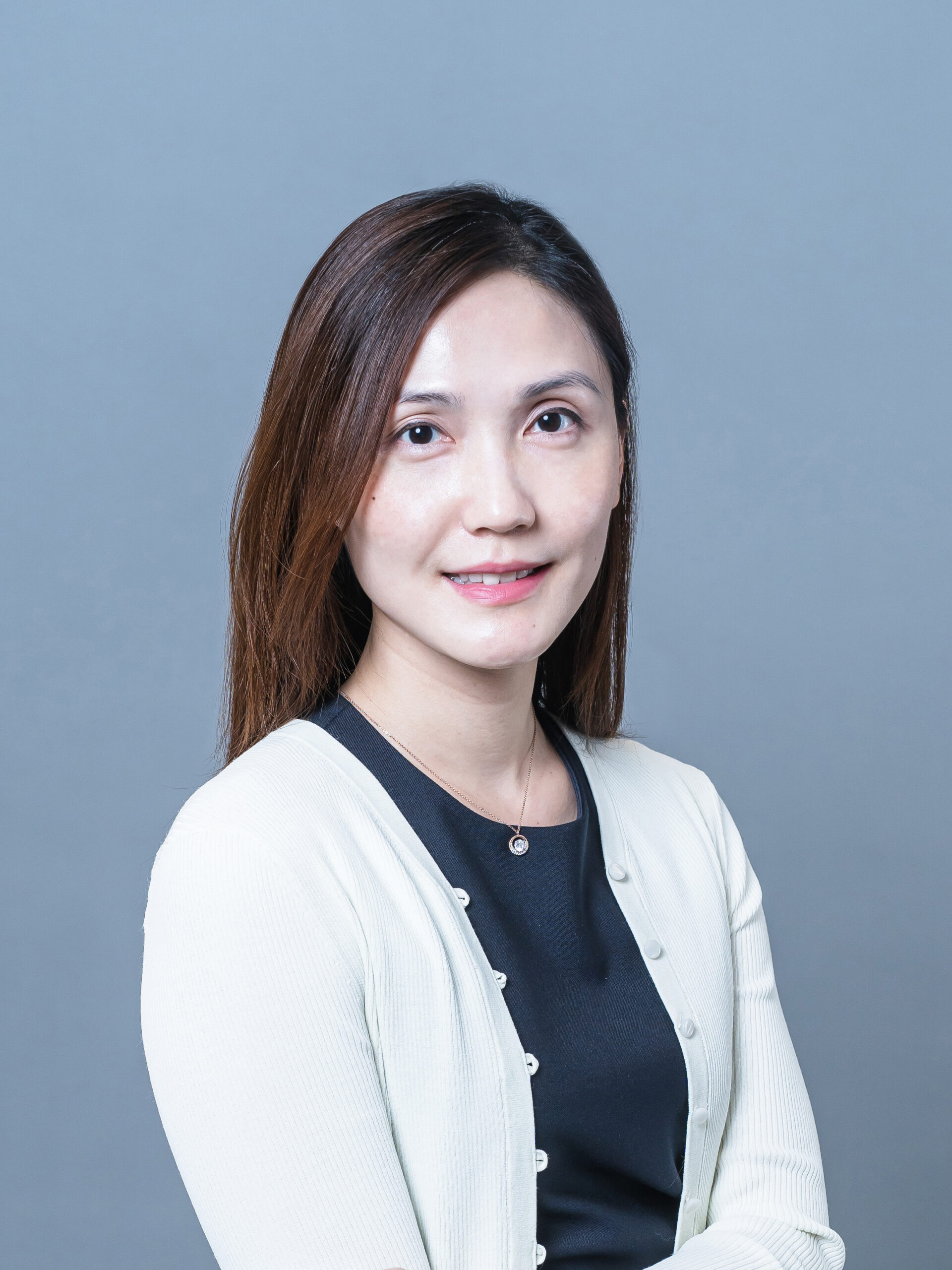
Professor Jacqueline Yuen is a geriatrician, palliative care physician, and Clinical Assistant Professor at the School of Clinical Medicine and School of Public Health, The University of Hong Kong. Her research focuses on improving end-of-life care for people with advanced dementia and enhancing serious illness communication with older adults with life-limiting conditions.
Prof. Yuen was Assistant Professor at the Icahn School of Medicine at Mount Sinai in New York from 2012-2016. She later joined the Chinese University of Hong Kong as Clinical Lecturer from 2017-2018, where she received the University Education Award in recognition of her contributions to medical education. She received the University of Hong Kong Faculty Teaching Medal in 2025. She is a Senior Faculty with VitalTalk, an international nonprofit dedicated to improving communication with seriously ill patients and their families. She currently serves on the Hong Kong Academy of Medicine Professionalism and Ethics Committee, the Councils of the Hong Kong Geriatrics Society and the Hong Kong Association of Gerontology, and the Hong Kong Health Bureau’s Expert Panel on Primary Care Reference Frameworks.
Chair Professor of Global Sustainability, Department of Geography, The University of Hong Kong
Professor Peng Gong is Chair Professor of Global Sustainability and Vice President for Academic Development at The University of Hong Kong. Previously, he was Professor and Chair of the Department of Earth System Science, and Dean of the School of Sciences at Tsinghua University. In 2001, he became a full professor in the Department of Environmental Science, Policy and Management at the University of California, Berkeley. He founded the International Institute for Earth System Science at Nanjing University in 2000, and served as founding director of the State Key Laboratory of Remote Sensing Science in 2004.
Professor Gong's research focuses on mapping and monitoring global environmental change, modelling environmentally related infectious diseases (including schistosomiasis, avian influenza, dengue, and COVID-19), and healthy cities. He has authored or co-authored over 600 articles and 10 books, and chaired or co-chaired nine research reports on climate change and health in China.
Internationally, he has served on the Earth League, the Future Earth Advisory Committee, the Earth Commission, and the American Geophysical Union's Publishing Committee. He is also a member of the editorial or advisory boards of over 10 international publications, including The Lancet.
Director, Hong Kong Generative AI Research and Development Center, The Hong Kong University of Science and Technology
Professor Yike Guo is the Provost of the Hong Kong University of Science and Technology, Chair Professor in the Department of Computer Science and Engineering and the Department of Electronic and Computer Engineering, and Director of the Hong Kong Generative AI Research and Development Center. A world-renowned computer scientist, he has led major AI and data science research projects across Hong Kong, Mainland China, the UK, and Europe. He was the Founding Director of the Data Science Institute at Imperial College London and Vice President (Research and Development) at Hong Kong Baptist University.
Professor Guo is a Fellow of the Royal Academy of Engineering (FREng), a Member of Academia Europaea (MAE), a Fellow of the Hong Kong Academy of Engineering Sciences (FHKEng), a Fellow of the IEEE (FIEEE), a Fellow of the British Computer Society (FBCS), and a Fellow of the Chinese Association for Artificial Intelligence (FCAAI).
He received the Outstanding Contribution Award at the 2022 Wu Wenjun Artificial Intelligence Science and Technology Award, the highest honour in Chinese AI science and technology. In June 2025, he was named "Leader of the Year 2024" in the Education/Professional/Technology and Innovation category by Sing Tao News Corporation for his transformative contributions to education and technological innovation in Hong Kong. In November 2025, he was elected as an International Member of the Chinese Academy of Engineering (CAE)—the nation's highest academic institution in engineering sciences—in recognition of his exceptional contributions to the Information and Electronics Engineering Division.
Chairman, Zhongguancun Institute of Artificial Intelligence (ZGCI)
Professor Tie-Yan Liu, President of Zhongguancun Academy, is a globally recognized AI pioneer. He is an IEEE Fellow, ACM Fellow, and AAIA Fellow, and was named among the world's Top 100 Most Influential AI Scholars since 1943 by the International Open Benchmarking Council.
His seminal contributions—including Learning to Rank, LightGBM, and Graphormer—have transformed web search, industrial decision-making, and scientific discovery, earning around 100K citations. He was previously Assistant Managing Director at Microsoft Research Asia and Distinguished Scientist at Microsoft Research AI for Science. He also held adjunct professorships at Carnegie Mellon University, Tsinghua University, and honorary professorship at the University of Nottingham. His work has been published in Nature, PNAS, and top AI venues, receiving multiple Best Paper awards.
At Zhongguancun Academy, he leads a bold experiment in AI-era education, cultivating the next generation of innovators to bridge technological frontiers with humanistic values.
Director of the Centre for Learning Analytics, Monash University
Dragan Gašević is Distinguished Professor of Learning Analytics in the Department of Data Science and Artificial Intelligence of the Faculty of Information Technology and the Director of the Centre for Learning Analytics at Monash University. Dragan’s research interests center around data analytic, AI, and design methods that can advance understanding of self-regulated and collaborative learning.
He is a founder and served as the President (2015-2017) of the Society for Learning Analytics Research. He has also held several honorary appointments in Asia, Australia, Europe, and North America. He is a recipient of the Life-time Member Award (2022) as the highest distinction of the Society for Learning Analytics Research (SoLAR) and a Distinguished Member (2022) of the Association for Computing Machinery (ACM).
In 2019-2025, he was recognized as the national field leader in educational technology in The Australian’s Research Magazine that is published annually. He led the EU-funded SHEILA project that received the Best Research Project of the Year Award (2019) from the Association for Learning Technology.
Professor, School of Computing & Data Science, The University of Hong Kong
Zheng Zhang (zz) is the Founder and Chief Scientist of The HKU Shanghai Cross Innovation Lab (HKU SH X-Lab), a research institute in Shanghai affiliated with the School of Computing & Data Science at The University of Hong Kong.
He was the Senior Principal Scientist and Founding Director of the Amazon Web Services Shanghai AI Lab. Also, he was a Global Network Professor of Computer Science at NYU Shanghai, with affiliated appointments at the Department of Computer Science at the Courant Institute of Mathematical Sciences and the NYU Center for Data Science at NYU’s New York campus. Previously, he founded the System Research Group and served as Principal Researcher and Research Area Manager at Microsoft Research Asia.
He holds a PhD from the University of Illinois at Urbana-Champaign, an MS from the University of Texas at Dallas, and a BS from Fudan University. Zhang was a founder and advisor of several deep learning platforms, including MXNet, MinPy, and most recently DGL, which brings deep learning to graph applications. In 2025, he developed and released LLM4LLM, an open-source course on self-directed learning, as part of his exploration of educational paradigms in the AI era.
Associate Dean (Research) of the Faculty of Science, The Chinese University of Hong Kong
Professor Jiang Liwen is the Choh-ming Li Professor of Life Sciences and Associate Dean (Research) of the Faculty of Science at The Chinese University of Hong Kong (CUHK). He concurrently assumed the position of Pro-Vice-Chancellor (External Affairs), overseeing international and Chinese Mainland affairs. Since joining CUHK in 2000, he has progressed through the ranks to become full Professor in 2007, holding several leadership roles within the Faculty of Science and demonstrating outstanding commitment to advancing academic development and fostering external collaborations.
Professor Jiang obtained his PhD from Simon Fraser University in 1996 and conducted post-doctoral research at Washington State University. He specializes in plant cell biology, achieving remarkable success in scientific research. Over the years, he has received numerous local and national research awards, led large-scale research projects, and actively collaborated with partners across the Chinese Mainland and internationally.
Widely connected in the academic community, Professor Jiang has been invited to speak at various conferences and institutions worldwide. He also serves on the editorial boards of prominent international science journals, dedicating himself to advancing the faculty's research impact and global engagement. His vision focuses on driving CUHK's development through international networks and research excellence, enhancing academic collaborations, and sharing successful experiences with academic, industry, and government partners.
Chair Professor of Steel Structures, The Hong Kong Polytechnic University
Professor Ben Young is Vice President (Student and Global Affairs) and Chair Professor of Steel Structures at The Hong Kong Polytechnic University. He oversees institutional policies and strategies for student development, cultural promotion, and global engagement initiatives in education, including building partnerships with leading universities and strategic partners worldwide, as well as attracting and recruiting high-caliber students from around the globe. He received his BSc, BEng, and PhD degrees from The University of Sydney, Australia, in 1991, 1993, and 1998, respectively.
Professor Young has been elected as a Member of the European Academy of Sciences and Arts. His research interests include cold-formed steel structures, high strength steel structures, stainless steel structures, aluminum structures, and fire resistance of metal structures. He is currently a Co-Editor-in-Chief of the Journal of Constructional Steel Research, Elsevier. He has published over 750 international journal and conference papers, of which over 410 are SCI-indexed journal papers. He has an h-index of 80 in Scopus. According to the ISI’s essential science indicators, Professor Young has been listed by Clarivate Analytics as among the “Top 1% scholars” worldwide by citations for many years. Professor Young is currently an advisory member of the Committee on Structural Stainless Steel, the American Institute of Steel Construction.
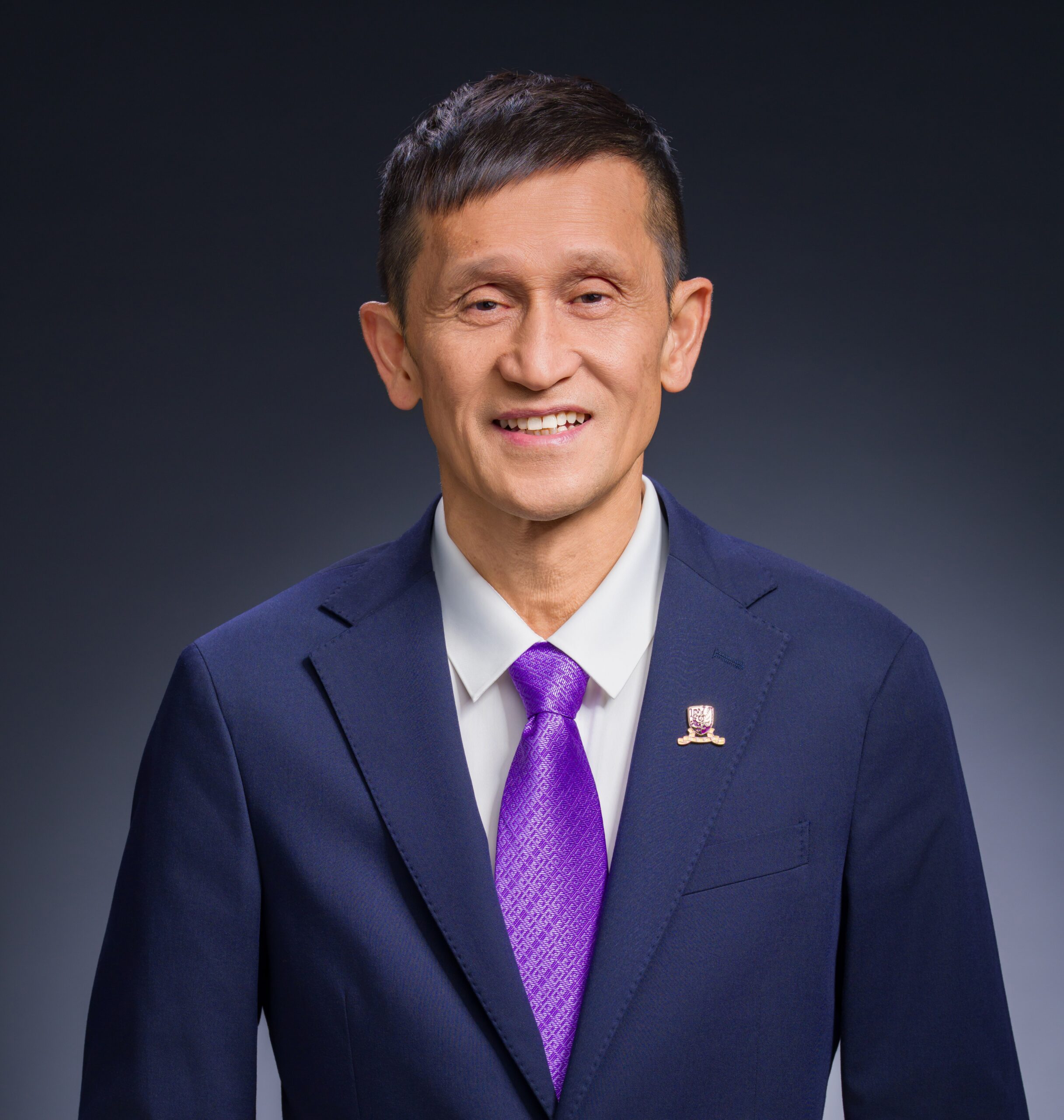
Chair Professor of Chemical and Biomedical Engineering, City University of Hong Kong
Ir Prof. Anderson Ho Cheung SHUM received his Ph.D. and S.M. in Applied Physics from Harvard University and his B.S.E. (summa cum laude) in Chemical Engineering from Princeton University. He is currently Vice-President (Research) of City University of Hong Kong (CityUHK) and Chair Professor in the Department of Chemistry and Department of Biomedical Engineering. Previously, he held leadership roles at the University of Hong Kong, including Associate Vice-President (Research and Innovation), Associate Head of Mechanical Engineering, and Assistant Dean of Engineering.
His research spans aqueous two-phase systems, emulsions, biomicrofluidics, biomedical engineering, and soft matter.
Prof. Shum has received numerous international honours, including the Guanghua Engineering Science and Technology Prize (CAE, 2024), RGC Senior Research Fellow (2024), the inaugural HKEST Award (HKAE, 2023), NSFC Excellent Young Scientist Fund (2019), and HKU Outstanding Young Researcher Award (2016–17). He has also been awarded Gold Medals at iCAN (2023) and the Geneva International Exhibition of Inventions (2023).
He is a Global Young Academy Member (since 2021), Young Fellow of the Hong Kong Academy of Engineering (2024), and Fellow of IAAM, HKIE, and RSC. He serves as President (since 2021) and Founding Member of the Hong Kong Young Academy of Sciences. He is Editor-at-Large for Droplet, Editorial Board Member for Scientific Reports, and Associate Editor for Biomicrofluidics.
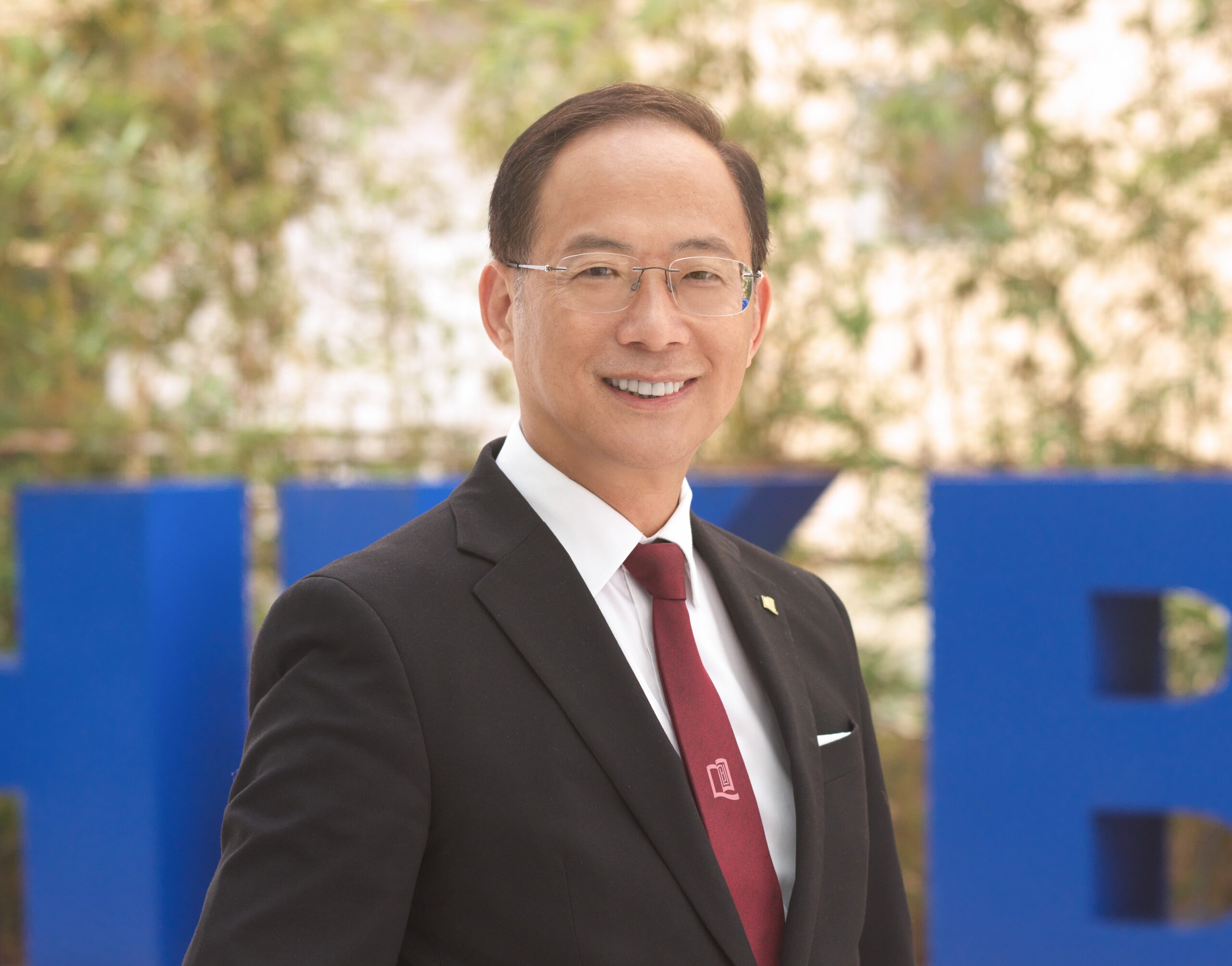
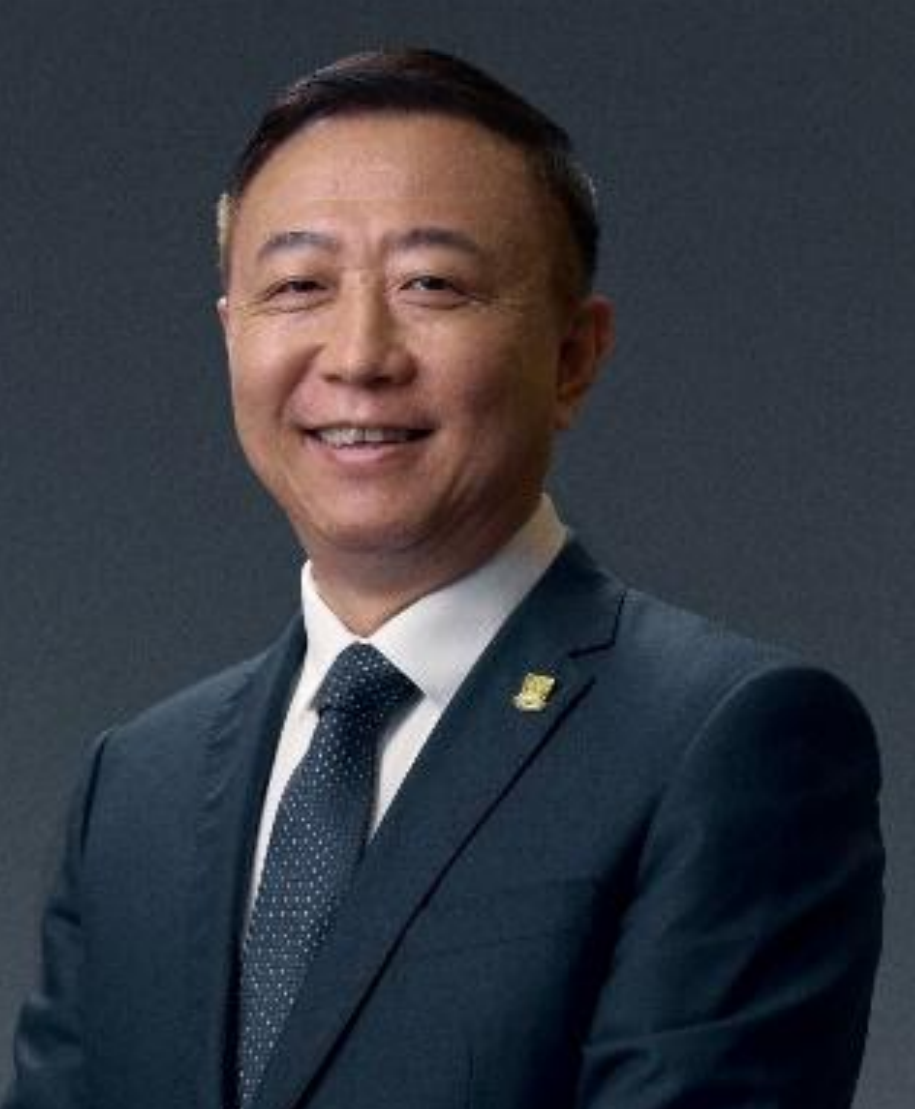
Chair Professor of Photonics, Hong Kong Baptist University
Professor Wai is the President and Vice-Chancellor of Hong Kong Baptist University (HKBU). Prior to joining HKBU, Professor Wai was the Deputy President and Provost at The Hong Kong Polytechnic University. Over the years, he has spared no effort in education, academia and research. He is committed to pioneering innovation and technology and translational research as well as making contributions to the development of Hong Kong, the Nation and the world.
Professor Wai received a bachelor’s degree, majoring in Physics, from The University of Hong Kong in 1981, followed by a master’s degree and a doctoral degree in Physics from the University of Maryland, College Park in the US in 1985 and 1988 respectively. With academic interests in the field of optical fibre communications, Professor Wai has a rich array of impactful and patented research achievements to his name. He has been elected as a Fellow of the Optical Society of America (OSA), a Fellow of the Institute of Electrical and Electronic Engineers (IEEE) and a Fellow of Hong Kong Academy of Engineering Sciences (HKAES). With the approval of the State Ministry of Science and Technology, he is also listed as one of the experts in the National Science and Technology Programme Expert Database.
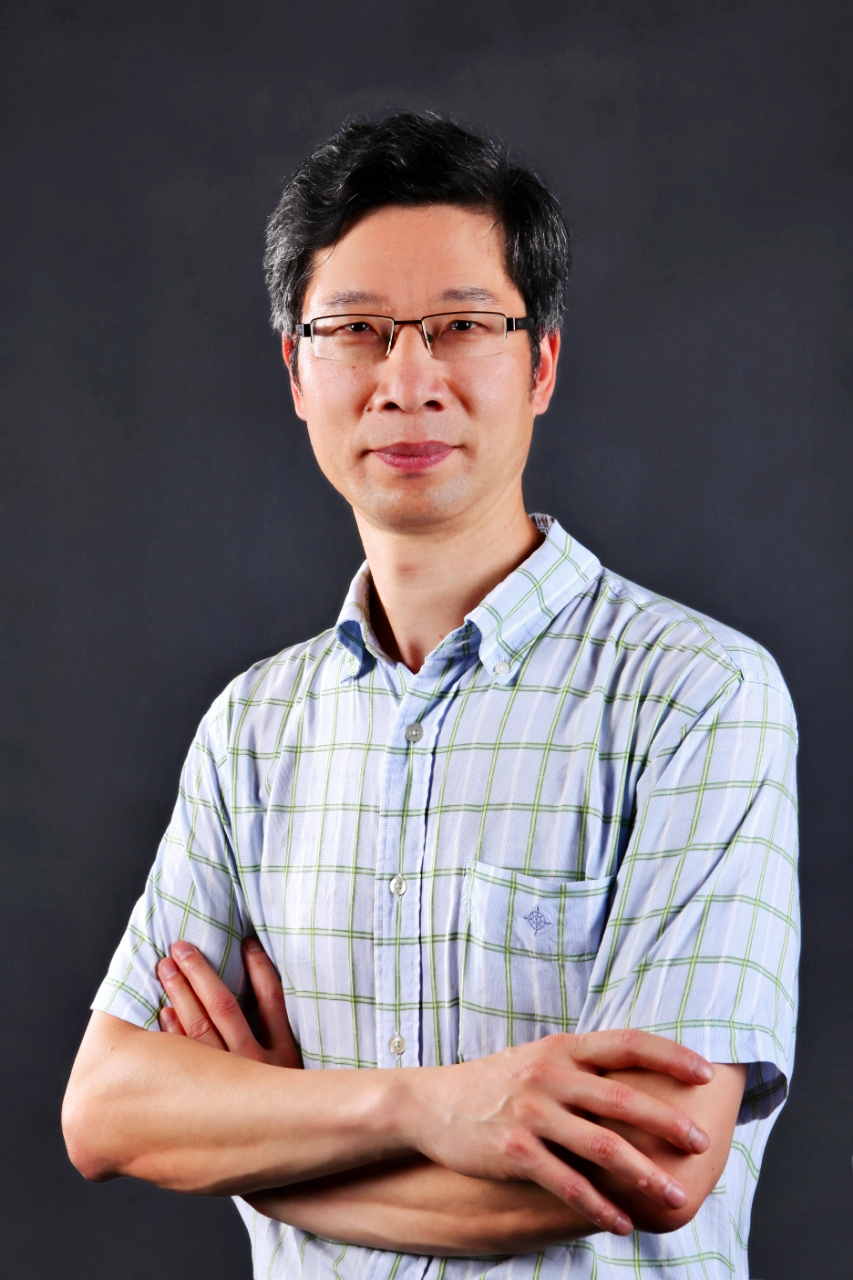
Tong Tin Sun Chair Professor of Machine Learning, Lingnan University
Prof Xin Yao is the Vice-President (Research and Innovation) and the Tong Tin Sun Chair Professor of Machine Learning at Lingnan University. Previously, he held academic positions at the Southern University of Science and Technology (China), the University of Birmingham (UK), Australian Defence Force Academy, University College, the University of New South Wales (Australia), and the University of Science and Technology of China (China).
Prof Yao is an internationally renowned scholar in the field of artificial intelligence and his research work has received several awards, including the 2001 IEEE Donald G. Fink Prize Paper Award, the 2011 IEEE Transactions on Neural Networks and Learning Systems Outstanding Paper Award, and the 2010, 2016, and 2017 IEEE Transactions on Evolutionary Computation Outstanding Paper Awards. Prof Yao was elected as an IEEE Fellow in 2003. He won the Royal Society Wolfson Research Merit Award in 2012, the IEEE Computational Intelligence Society Evolutionary Computation Pioneer Award in 2013, and the prestigious IEEE Frank Rosenblatt Award in 2020. He served as the Editor-in-Chief of IEEE Transactions on Evolutionary Computation in 2003-08 and the President of the IEEE Computational Intelligence Society in 2014-15. He was listed in the World's Top 2% Scientists by Stanford University since 2021 and named Highly Cited Researcher in 2022 and 2023. According to Google Scholar, his research has been cited over 76,000 times by other scholars, with an H-index of 126.
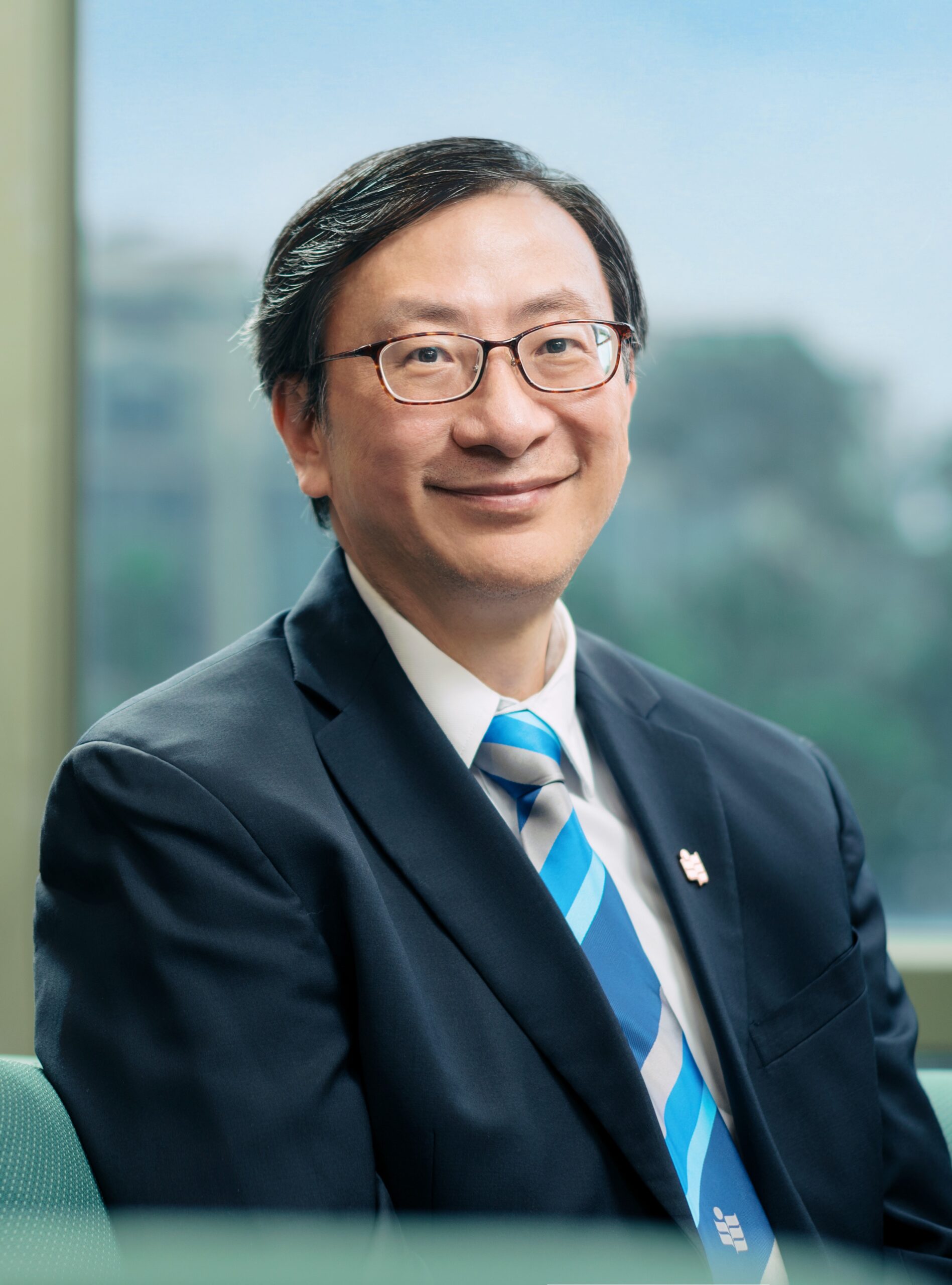
Chair Professor of Curriculum and Instruction, The Education University of Hong Kong
Professor Lee Chi-Kin John is President and Chair Professor of Curriculum and Instruction of The Education University of Hong Kong. He has served as the UNESCO Chair in Regional Education Development and Lifelong Learning, a Research Fellow of The Southeast Asian Ministers of Education Organization (SEAMEO).
His research interests focus on curriculum and instruction, geographical and environmental education, life and values education, teacher development and school improvement. He is active in leading education research and development projects and has a solid track record in securing external grants. He was named among the top 1% most-cited scientists in the world in the latest list released by Stanford University (2025).
He has actively participated in education and social service in Hong Kong, mainland China and overseas. He has held many visiting, guest and adjunct professorships at universities overseas and in mainland China. He has served as Changjiang Scholar Chair Professor, conferred by the Ministry of Education of the People’s Republic of China. He has also served as a Member of the Academic Committee of the Guangdong-Hong Kong-Macao Greater Bay Area Primary and Secondary Schools Principal Federation and Chairman of the Academic Committee of the Center for Hong Kong and Macao Research of South China Normal University.
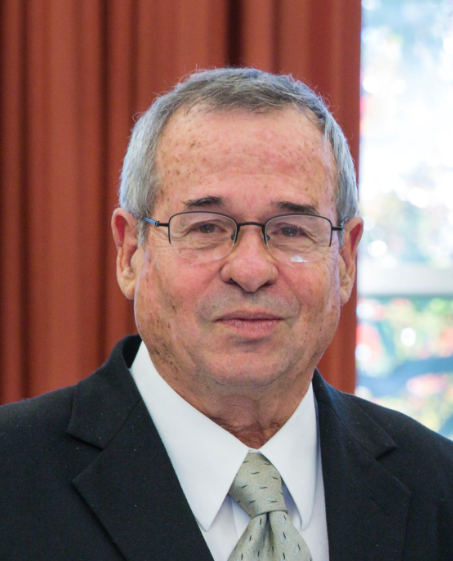
Professor Arieh Warshel, the 2013 Nobel chemistry laureate, the academician of the National Academy of Sciences and an honorary member of the Royal Society of Chemistry, the Distinguished Professor of Chemistry and Biochemistry at the University of Southern California.
Professor Arieh Warshel has pioneered key approaches for simulating the functions of biological molecules, including introducing molecular dynamics in biology; developing the quantum-mechanical/molecular-mechanical (QM/MM) approach; introducing simulations of enzymatic reactions; pioneering microscopic simulations of electron transfer and proton transfer in solutions and in proteins; pioneering microscopic modeling of electrostatic effects in macromolecules; and introducing simulations of protein folding.
In addition, Prof. Warshel and his collaborators recently elucidated the structure-based origin of the vectorial action of molecular machines. The multi-scale molecular simulation method developed by Prof. Warshel has been successfully applied to biomolecular systems and protein reaction mechanisms, and thus won the 2013 Nobel Prize in Chemistry.
Since 2017, Prof. Warshel has been invited by Professor Xu YangShen, the president of the Chinese University of Hong Kong Shenzhen, as the director of the Warshel Institute for Computational Biology.














The 2026 International Academicians Hong Kong Forum Held in Hong Kong, Focusing on AI-Driven Innovation in Health and Higher Education
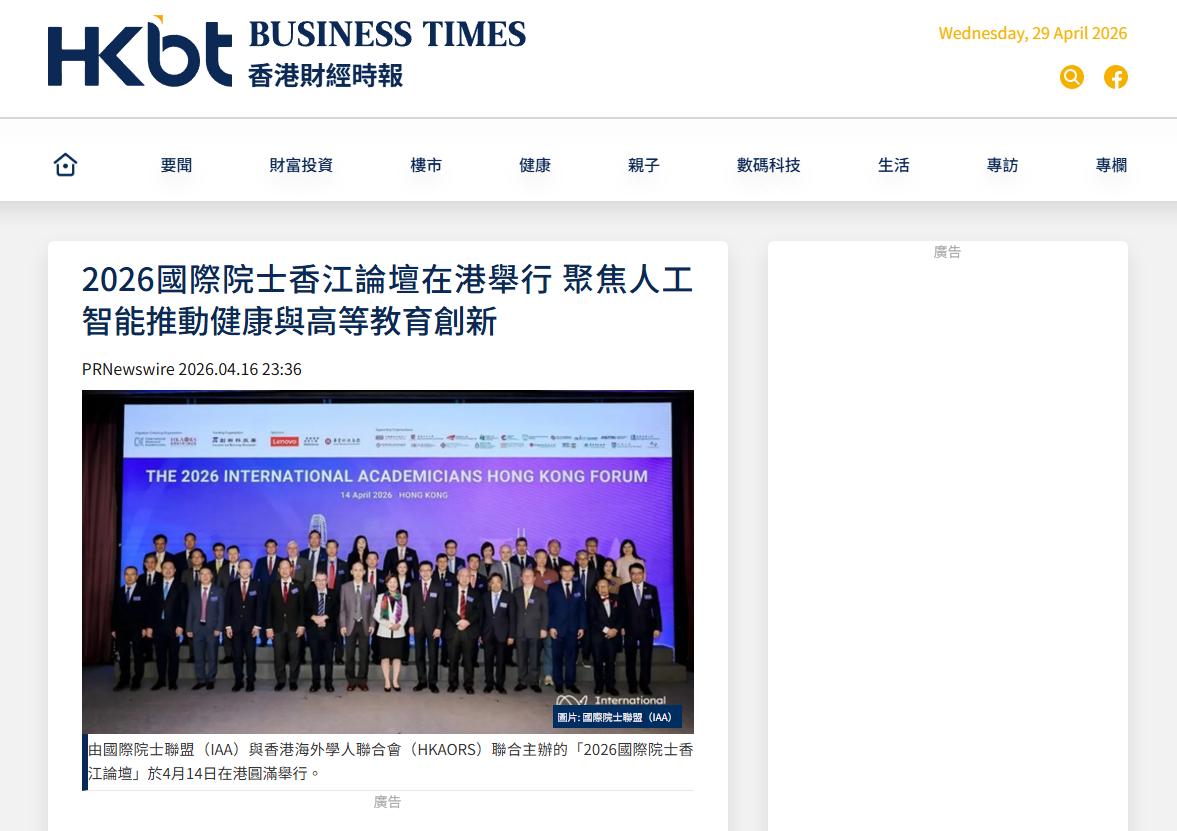
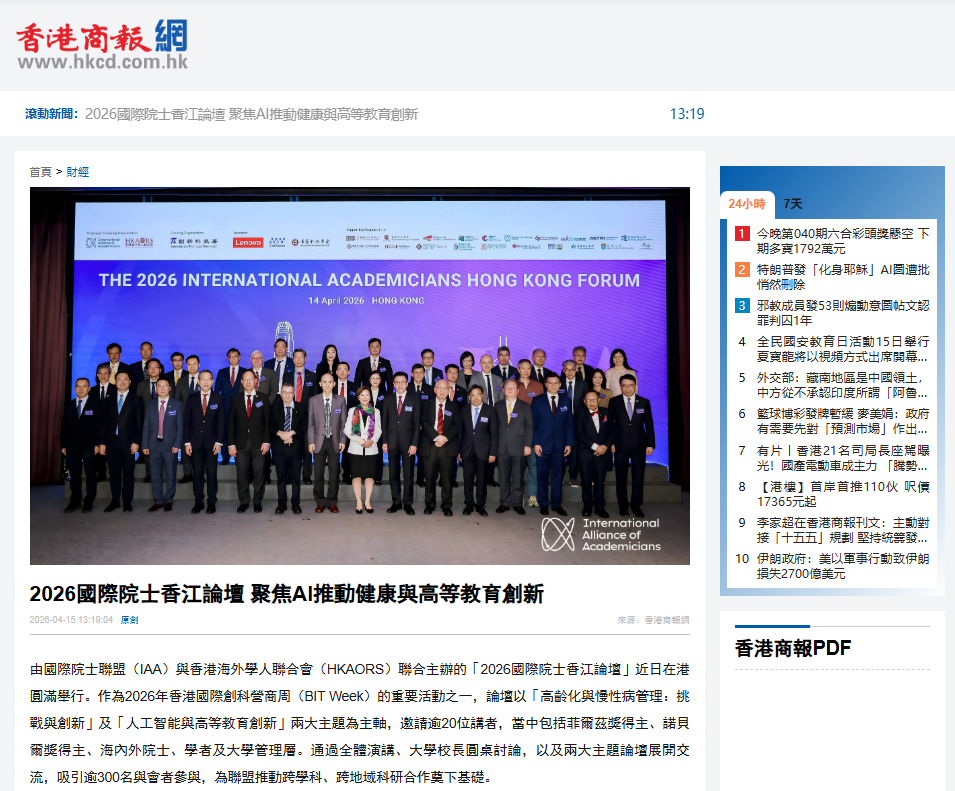
[14 April, Hong Kong] The 2026 International Academicians Hong Kong Forum, jointly organised by the International Alliance of Academicians (IAA) and the Hong Kong Association of Overseas-Returned Scholars (HKAORS), was successfully held today in Hong Kong. As one of the major events of the Business of Innovation and Technology Week 2026, the Forum focused on two core themes: "Ageing and Chronic Disease Management: Challenges and Innovations" and "AI and Innovation in Higher Education." It brought together more than 20 speakers, including Fields Medalist, Nobel Laureate, world-renowned academicians, leading scholars, university leaders, and experts from Hong Kong and around the globe. Through plenary lectures, a university president roundtable discussion, and two thematic forums, the event attracted more than 300 participants.
As a flagship event of the IAA, the Forum builds on the exchange foundation and platform effect established since its inaugural edition, further reinforcing its role as a high-level international academic exchange platform rooted in Hong Kong and connected to the world. By leveraging Hong Kong's advantage as a hub linking the Mainland and the international community, the Forum fostered in-depth dialogue among the academic, innovation and technology, and higher education sectors on frontier issues, while providing support for interdisciplinary and cross-regional research collaboration and the translation of outcomes.
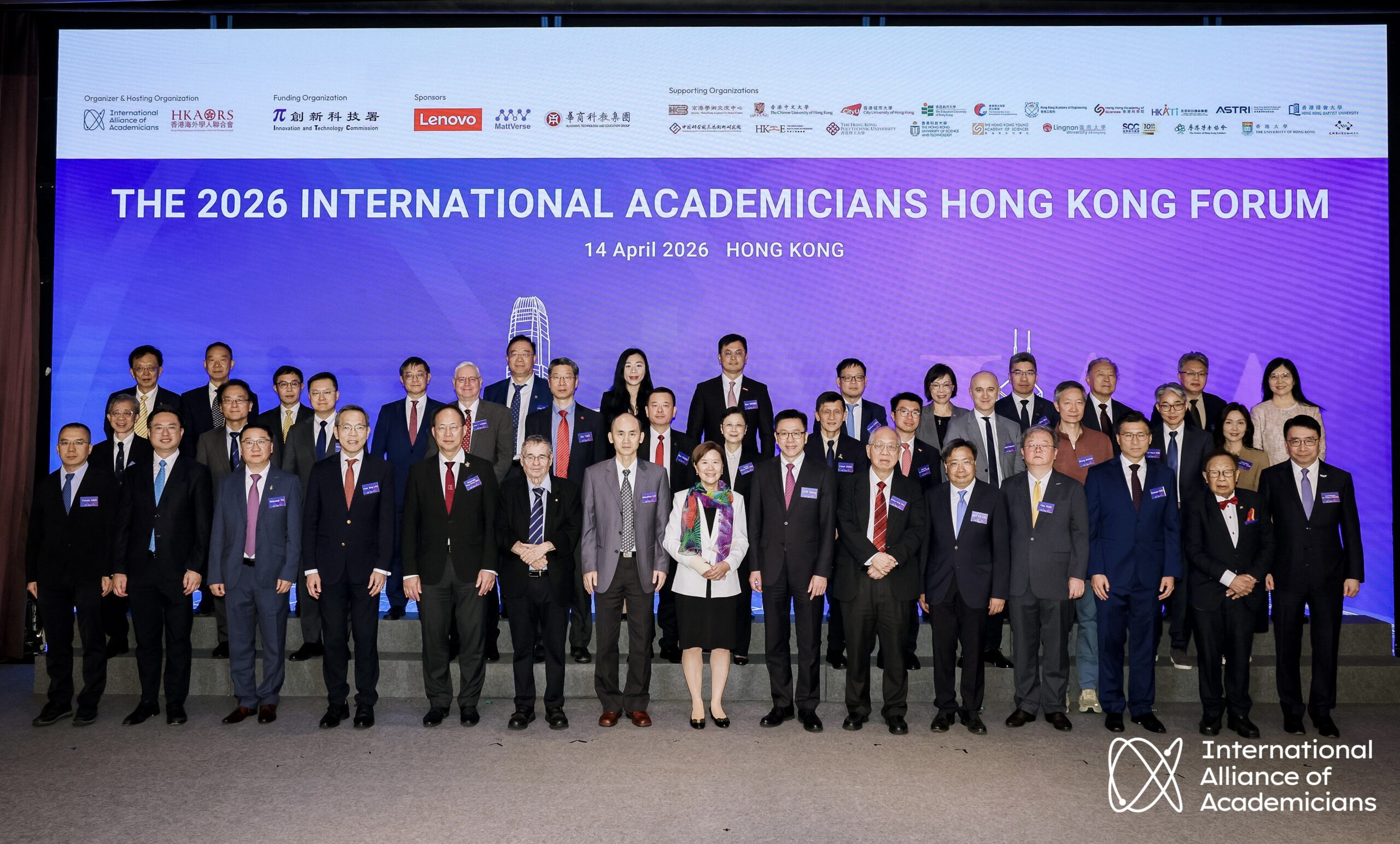
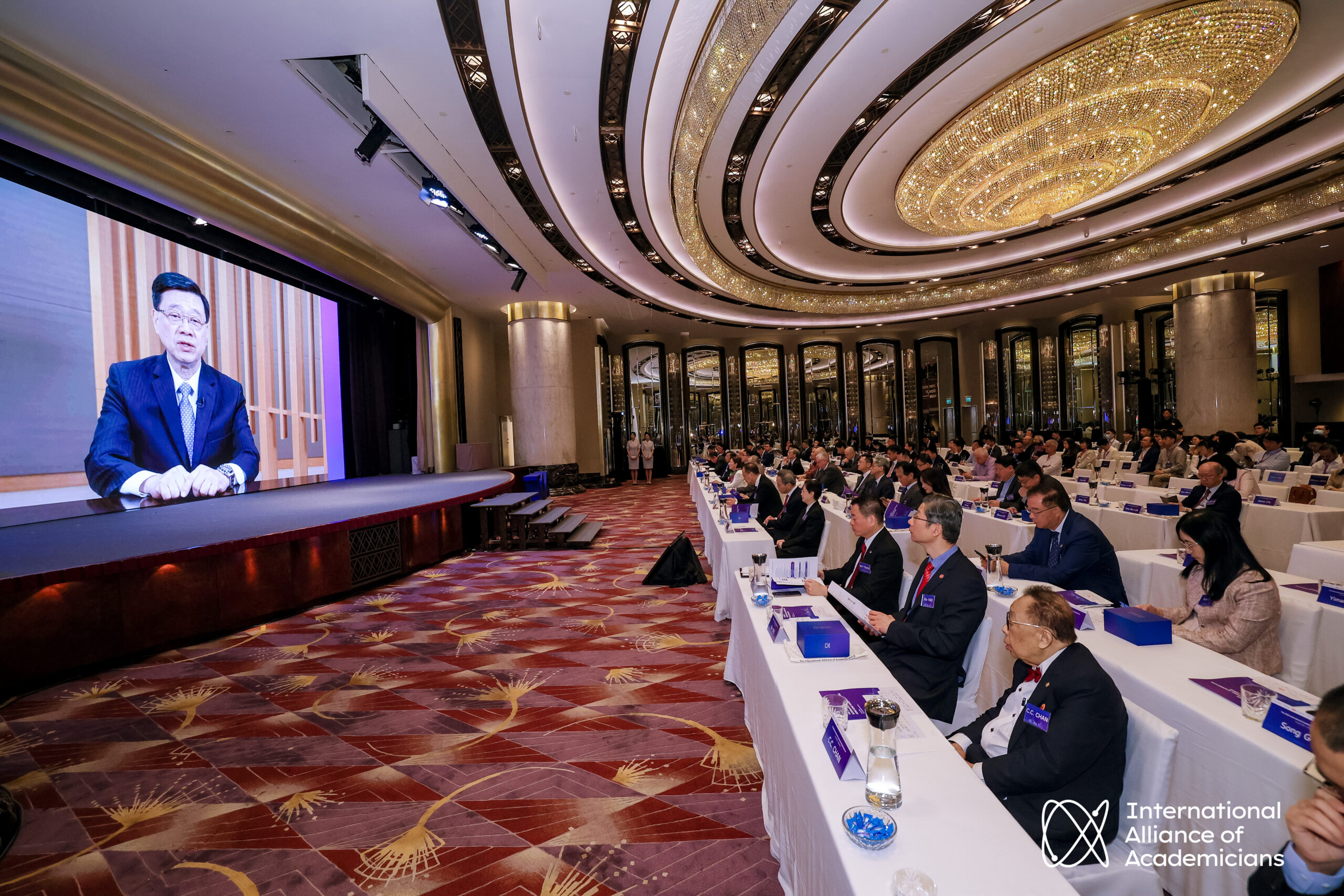
The opening ceremony featured a video address by the Chief Executive of the Hong Kong Special Administrative Region, Mr John Lee. In-person remarks were delivered by Professor Sun Dong, Secretary for Innovation, Technology and Industry of the HKSAR Government, and Professor Nancy Ip, Founding Chair of the IAA and President of The Hong Kong University of Science and Technology.
Mr Lee stated in his remarks that, under "one country, two systems", Hong Kong enjoys both national and international advantages, and possesses an open and vibrant research environment, an intellectual property protection regime aligned with international standards, a highly internationalised business environment, as well as world-leading universities and talent resources, all of which provide a solid foundation for innovation and technology development. He noted that the National 15th Five-Year Plan clearly supports Hong Kong in building an international innovation and technology centre. Looking ahead, the HKSAR Government will continue to build a more vibrant innovation ecosystem and to work with the global academic and research community to further advance the development of innovation and technology.
In the welcome remarks of the IAA's Founding Chair, Professor Nancy Ip stressed that Hong Kong is well positioned to become an important node linking global scientific strength, and this is precisely the direction in which the IAA seeks to continue moving forward. She said the founding vision of the IAA is to promote cross-regional and cross-disciplinary collaboration, bring together global scientific strength, and jointly address the major challenges facing humanity today. She noted that with artificial intelligence reshaping healthcare, education and future urban development, the importance of promoting dialogue and collaboration across disciplines, sectors and regions has become even more evident.
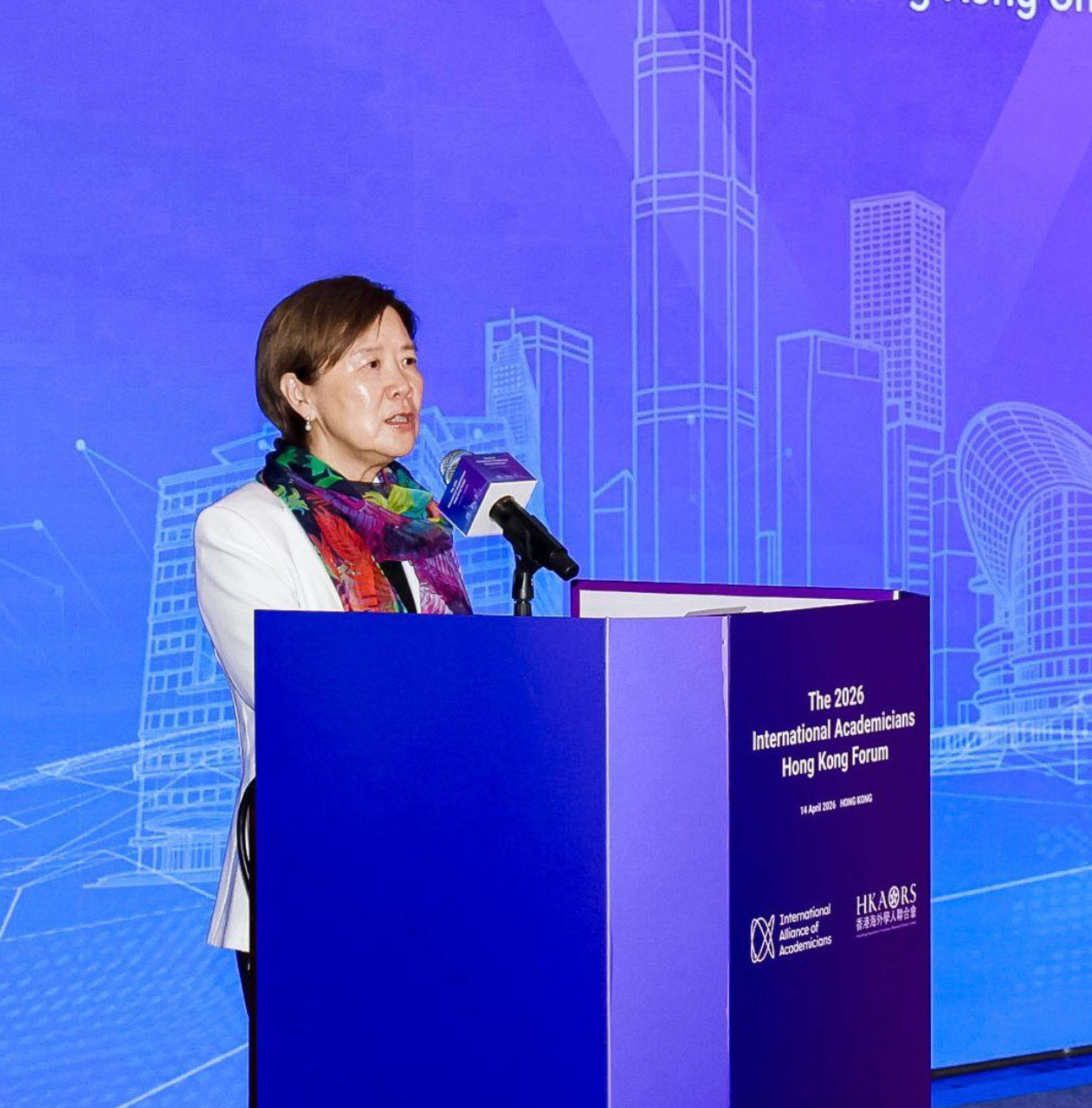
Professor Sun Dong stated that the IAA, as an international academic organization rooted in Hong Kong, has made full use of the city's global connectivity and strong academic foundation to create an important platform for high-level academic exchange, technology transfer and innovation collaboration. He noted that this year's Forum focused on globally significant topics such as ageing population, chronic disease management, artificial intelligence and innovation in higher education, echoing the priorities of the National 15th Five-Year Plan, the Hong Kong Innovation and Technology Development Blueprint, and the HKSAR Government's policy agenda. Prof. Sun stated that leveraging Hong Kong's solid R&D capabilities and its unique positioning as a "super-connector" and "super value-adder", the city will continue to play a bridging role connecting the mainland and the international community, driving cross-sectoral and cross-regional innovation and technology collaboration to deeper levels.
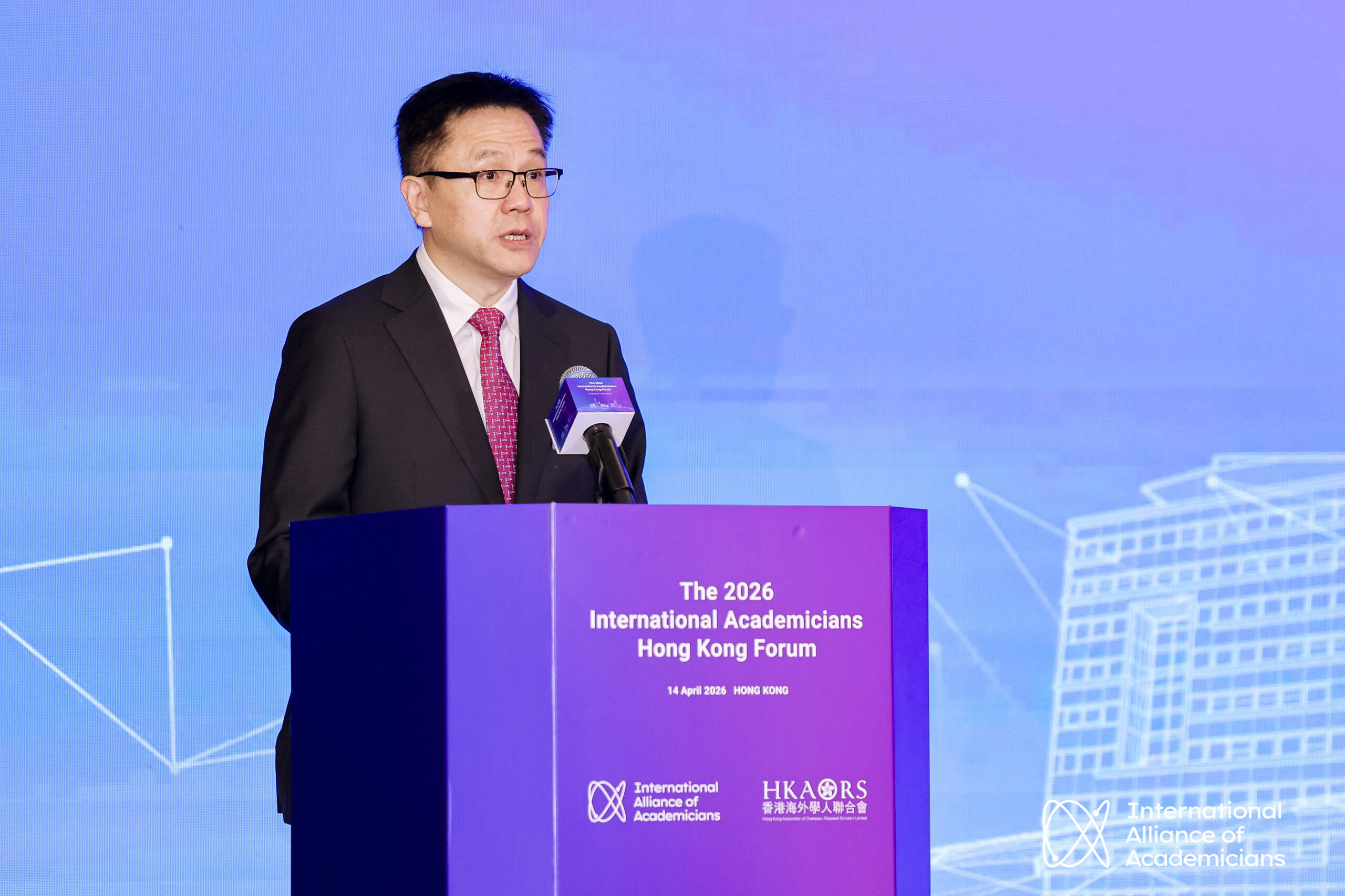
Set against the advancement of the National 15th Five-Year Plan and Hong Kong's first Five-Year Development Plan, this year's Forum focused not only on the latest developments in AI applications in healthcare services, elderly health management, university teaching and learning, talent development and research collaboration, but also explored the two themes of "Ageing & Chronic Disease Management" and "AI in Education", discussing how Hong Kong can further strengthen international collaboration, support deep tech research and development, and accelerate the transformation of research outcomes under the drive of AI.
This year's Forum featured plenary lectures, a university president roundtable discussion, and two thematic forums with accompanying roundtable sessions, addressing the shared challenges faced by health and higher education in the age of AI from the perspectives of fundamental research, research translation, educational innovation and population ageing.
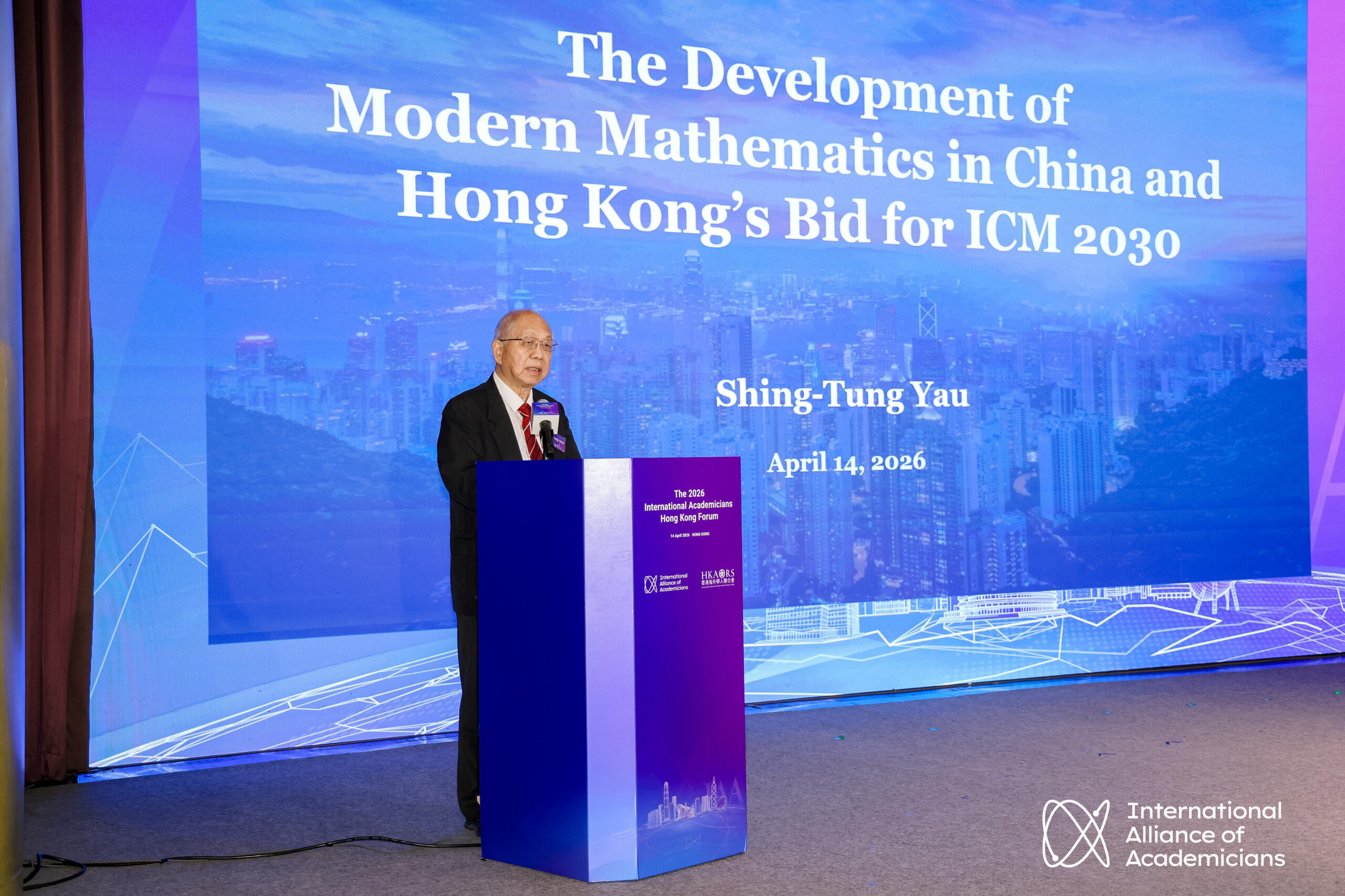
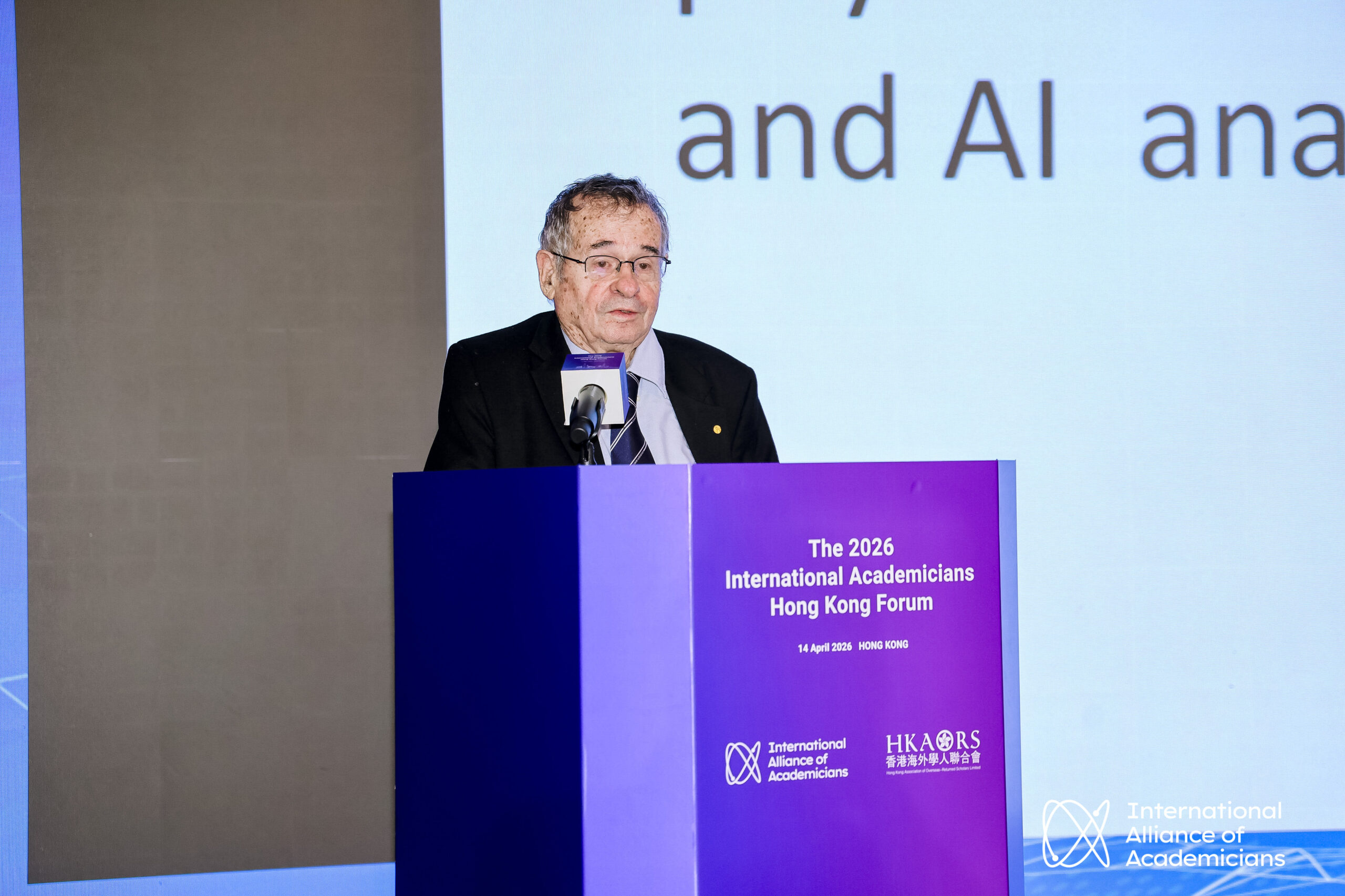
Professor Wenwei Tu, President of HKAORS and Secretary General of IAA, as the session chair of the plenary lecture session, introduced the two heavyweight speakers and their achievements: Professor Shing-Tung Yau, Fields Medallist (1982) and Director of the Yau Mathematical Sciences Centre at Tsinghua University; and Professor Arieh Warshel, Nobel Laureate in Chemistry (2013) and Distinguished Professor at Large and Director of Warshel Institute for Computational Biology, CUHK-Shenzhen.
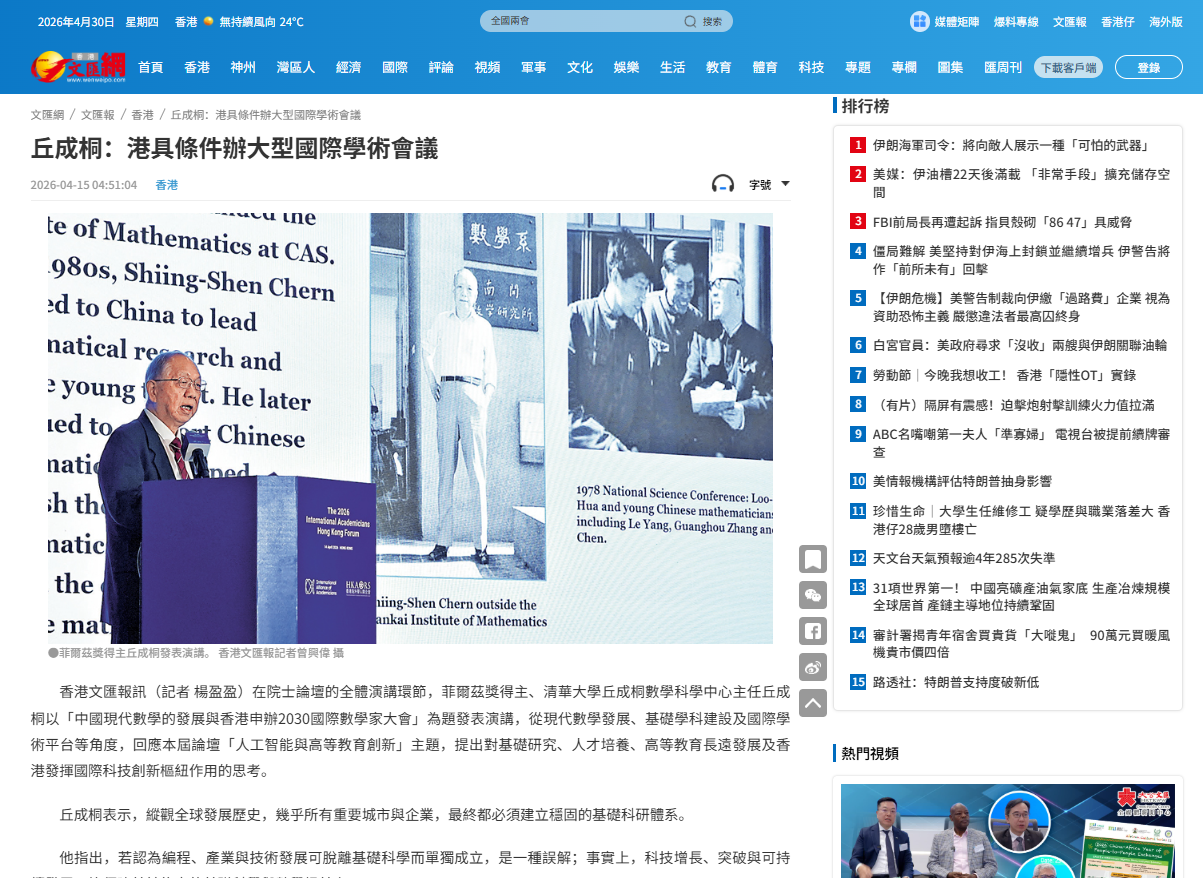
Fields Medallist Professor Shing-Tung Yau has delivered a plenary lecture entitled "The Development of Modern Mathematics in China and Hong Kong's Bid for the 2030 International Congress of Mathematicians". He emphasized that technological breakthroughs and sustainable development can only be achieved by laying a solid foundation in basic sciences—and mathematics is the most core and essential component of basic sciences. Prof. Yau demonstrated that the development of Chinese mathematics has made important achievements that is why we firmly believe that hosting ICM 2030 in Hong Kong will not only showcase the progress of mathematics in China and Hong Kong to the world, but also further boost China's mathematical community and enable greater contributions to global mathematics. Hong Kong remains one of the few fully open and truly global cities, backed by the Chinese mainland, we can steadily host top scientists worldwide and build Hong Kong into a world-leading academic hub.
This was followed by a lecture by Professor Arieh Warshel, winner of the 2013 Nobel Prize in Chemistry, entitled "Research Insights from Integrating Physical Simulations and AI Analysis". Drawing on developments in biochemistry and artificial intelligence, he highlighted how interdisciplinary approaches can drive frontier research by combining physics-based simulations with artificial intelligence that is transforming our understanding of enzymes. Using maximum entropy models from sequence alignments to link evolutionary information to catalytic activity, the team has identified catalytic-active remote regions on enzyme surfaces, and applied these insights to enzyme engineering and drug resistance. Integrating biophysics with AI offers a powerful roadmap for engineering better enzymes and therapeutics.
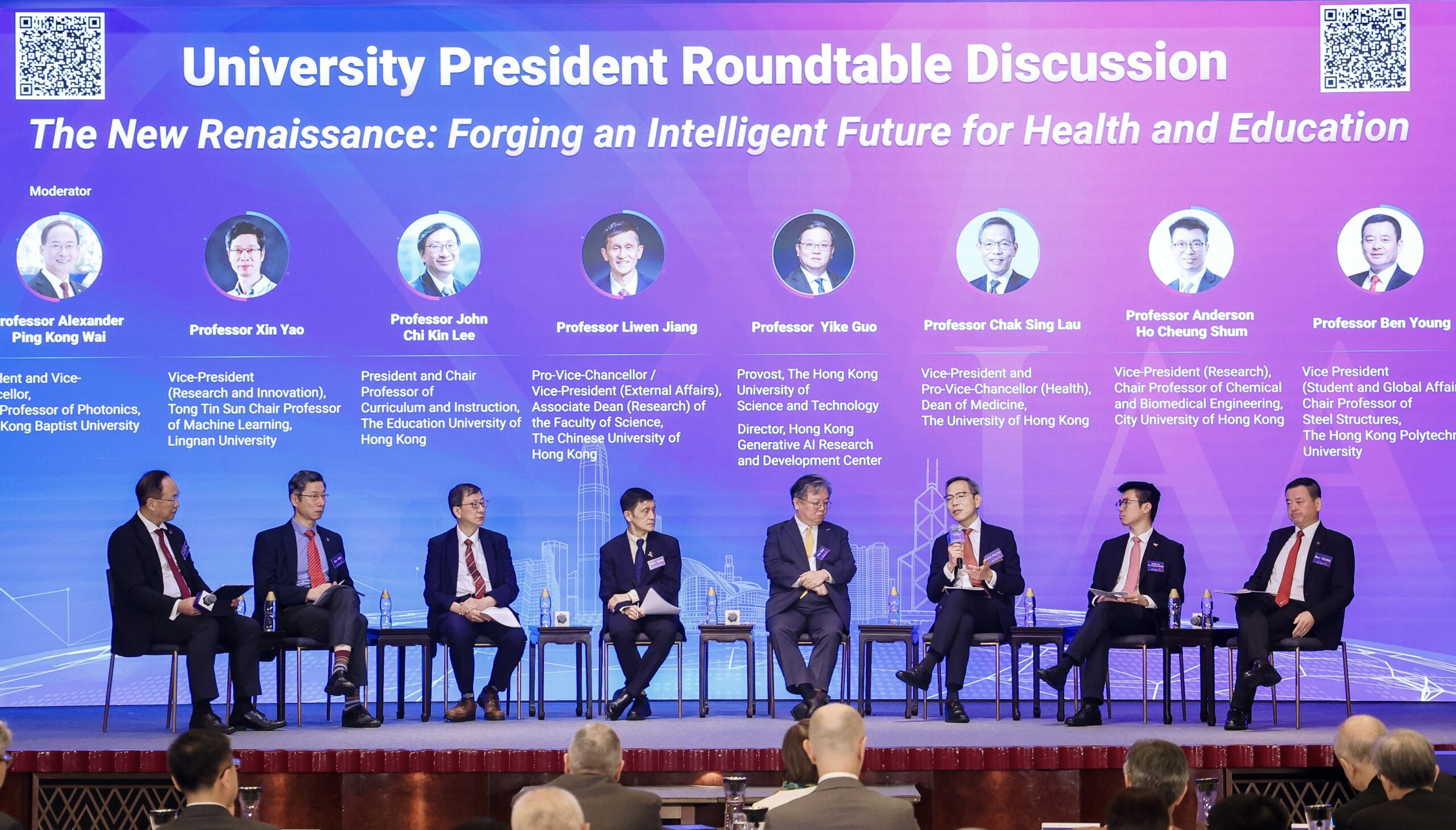
The university president roundtable discussion, themed "The New Renaissance: Forging an Intelligent Future for Health and Education", was one of the Forum's focal sessions and was chaired by Professor Alexander Ping Kong Wai, President and Vice-Chancellor of Hong Kong Baptist University. Representatives from Hong Kong's eight UGC-funded universities taking part in the discussion included Professor Yike Guo, Provost of The Hong Kong University of Science and Technology; Professor Liwen Jiang, Pro-Vice-Chancellor / Vice-President (External Affairs) of The Chinese University of Hong Kong; Professor Chak Sing Lau, Vice-President and Pro-Vice-Chancellor (Health) and Dean of Medicine of The University of Hong Kong; Professor John Chi Kin Lee, President of The Education University of Hong Kong; Professor Anderson Ho Cheung Shum, Vice-President (Research) of City University of Hong Kong; Professor Alexander Ping Kong Wai, President and Vice-Chancellor of Hong Kong Baptist University; Professor Xin Yao, Vice-President (Research and Innovation) of Lingnan University; and Professor Ben Young, Vice President (Student and Global Affairs) of The Hong Kong Polytechnic University. The discussion focused on university governance, teaching innovation, research collaboration and talent development in the age of AI, while also exploring how Hong Kong can align with the National 15th Five-Year Plan and the city's first Five-Year Development Plan, deepen international collaboration, and accelerate the translation of research outcomes across the intersecting fields of AI, health and education.
The two thematic forums held in the afternoon further extended the Forum's discussion on artificial intelligence, health and education from macro-level policy and academic perspectives to specific research and application scenarios.
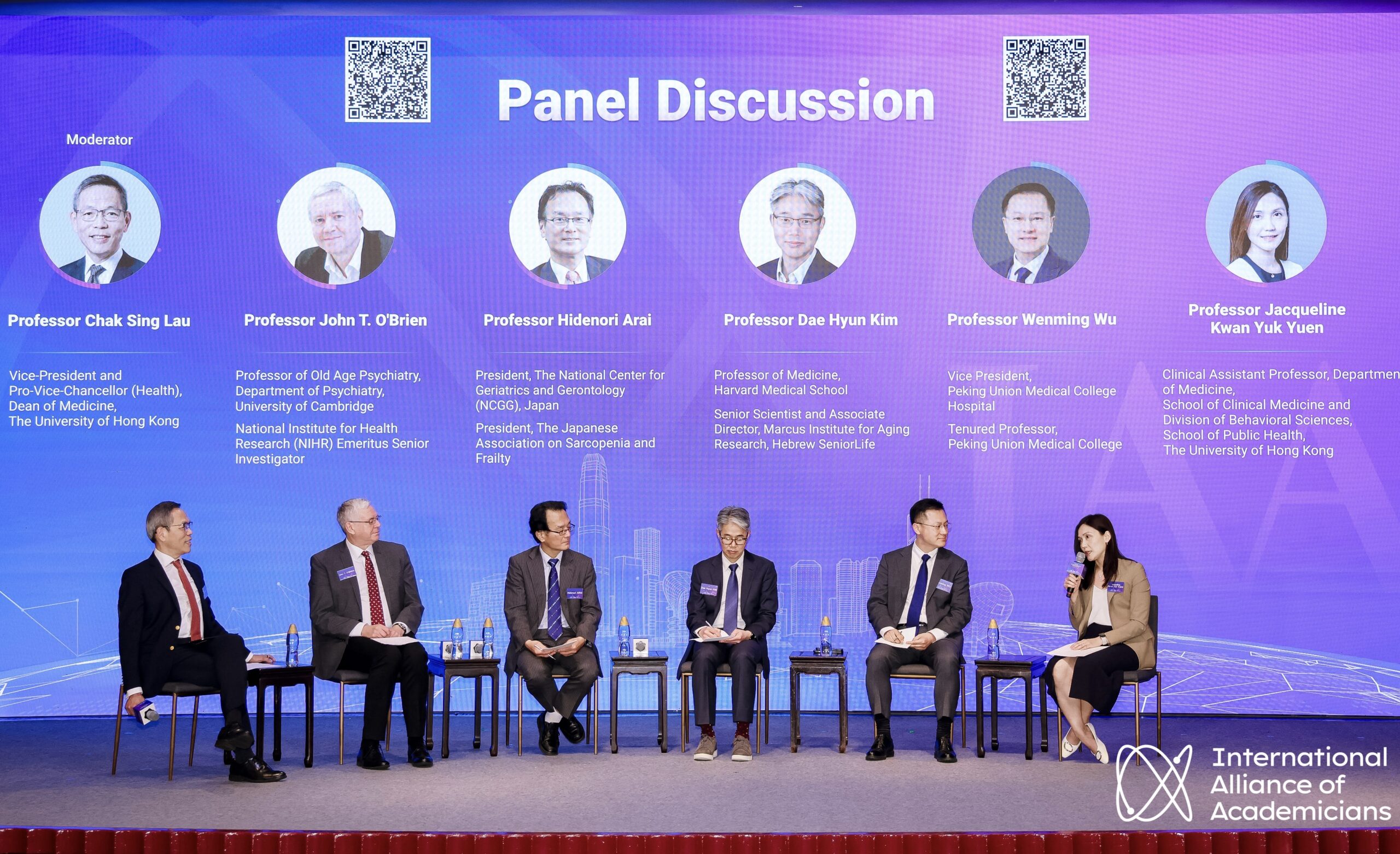
In the session "Ageing and Chronic Disease Management: Challenges and Innovations", Professor Chak Sing Lau, Vice-President and Pro-Vice-Chancellor (Health) and Dean of Medicine of The University of Hong Kong, gave the opening introduction and later chaired the roundtable discussion. Professor John T. O'Brien of the University of Cambridge spoke on "Inflammation and Cognitive Impairment", examining new advances in research on neurodegenerative diseases. Professor Hidenori Arai, President of Japan's National Center for Geriatrics and Gerontology, shared the latest practices in elderly healthcare in a presentation entitled "The Prevention and Treatment of Sarcopenia and Frailty in Older Adults with Diabetes". Professor Dae Hyun Kim of Harvard Medical School discussed "Reshaping Care for Ageing Populations through Technology Enablement", focusing on how to address the care challenges brought about by population ageing. Professor Wenming Wu, Vice President of Peking Union Medical College Hospital, spoke on pathways to long-term survival in pancreatic cancer from a clinical perspective. Dr Jacqueline Kwan Yuk Yuen, Clinical Assistant Professor in the Department of Medicine, School of Clinical Medicine, The University of Hong Kong, also joined the discussion, contributing observations from the perspectives of geriatric medicine and public health.
The session showed that, in the face of population ageing and the growing burden of chronic disease, the value of AI and new technologies lies not only in improving diagnostic and management efficiency, but also in how closely they can be integrated with clinical practice, public health and elderly care systems.
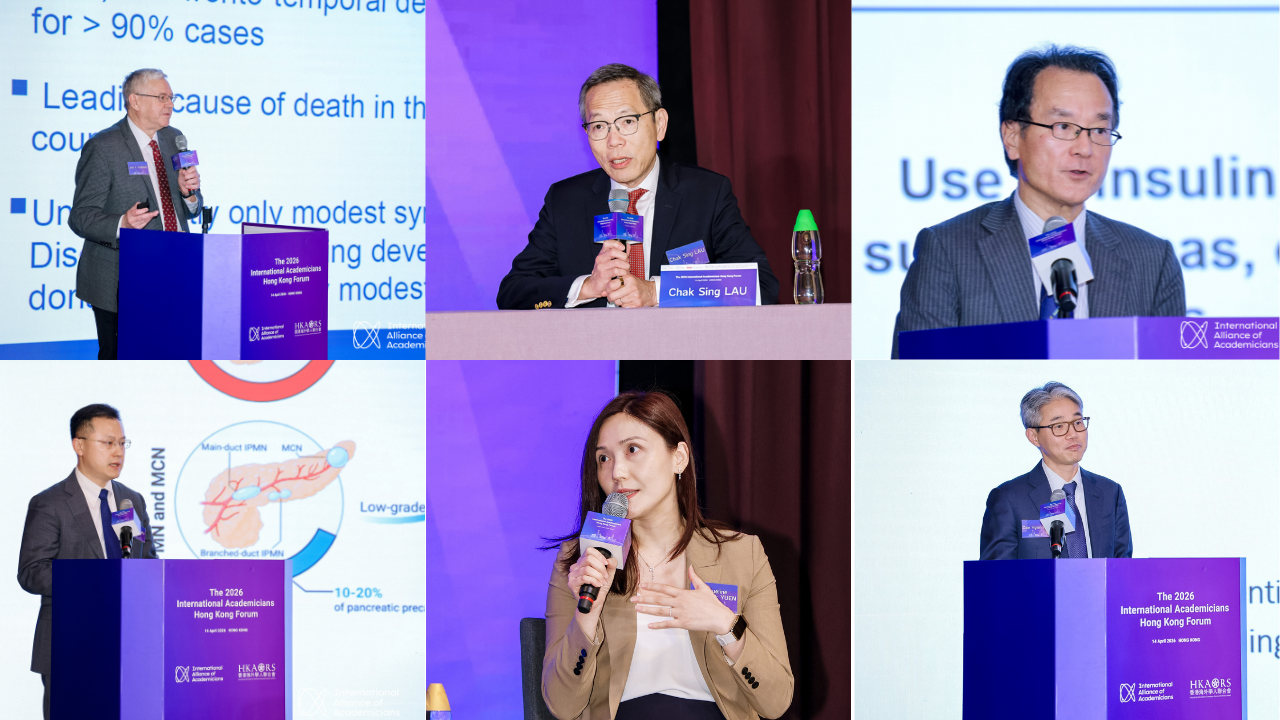
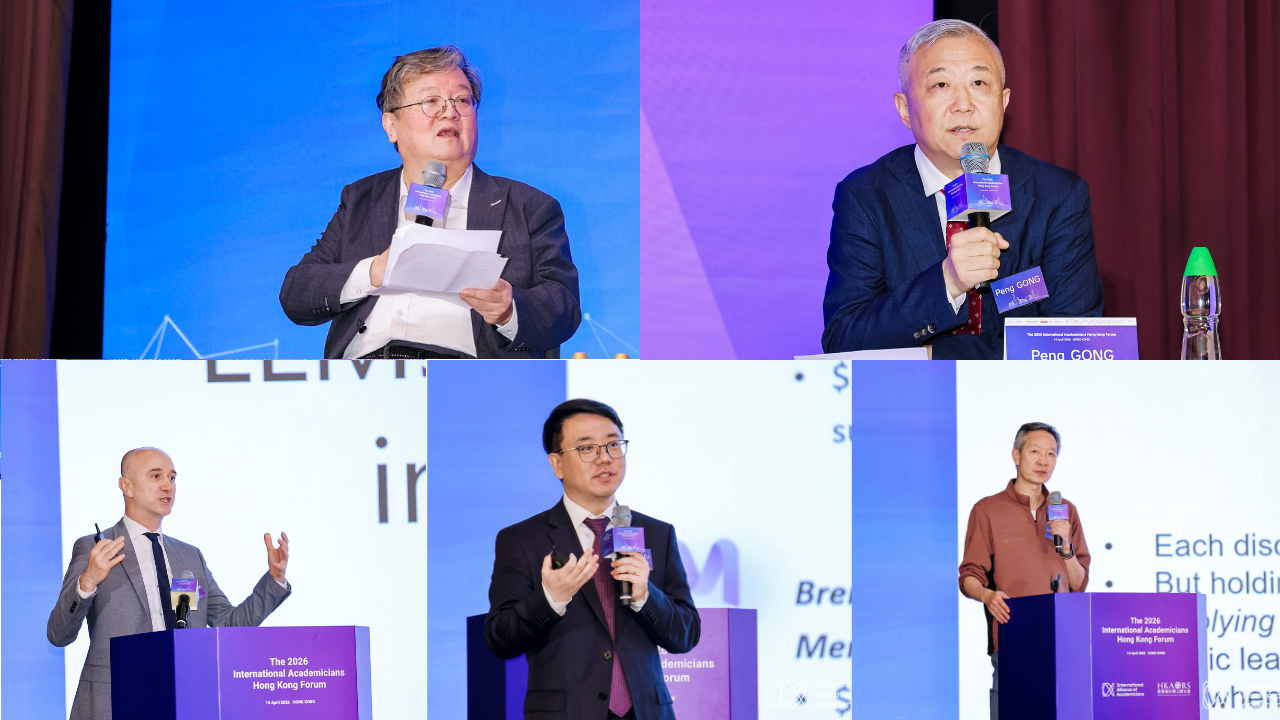
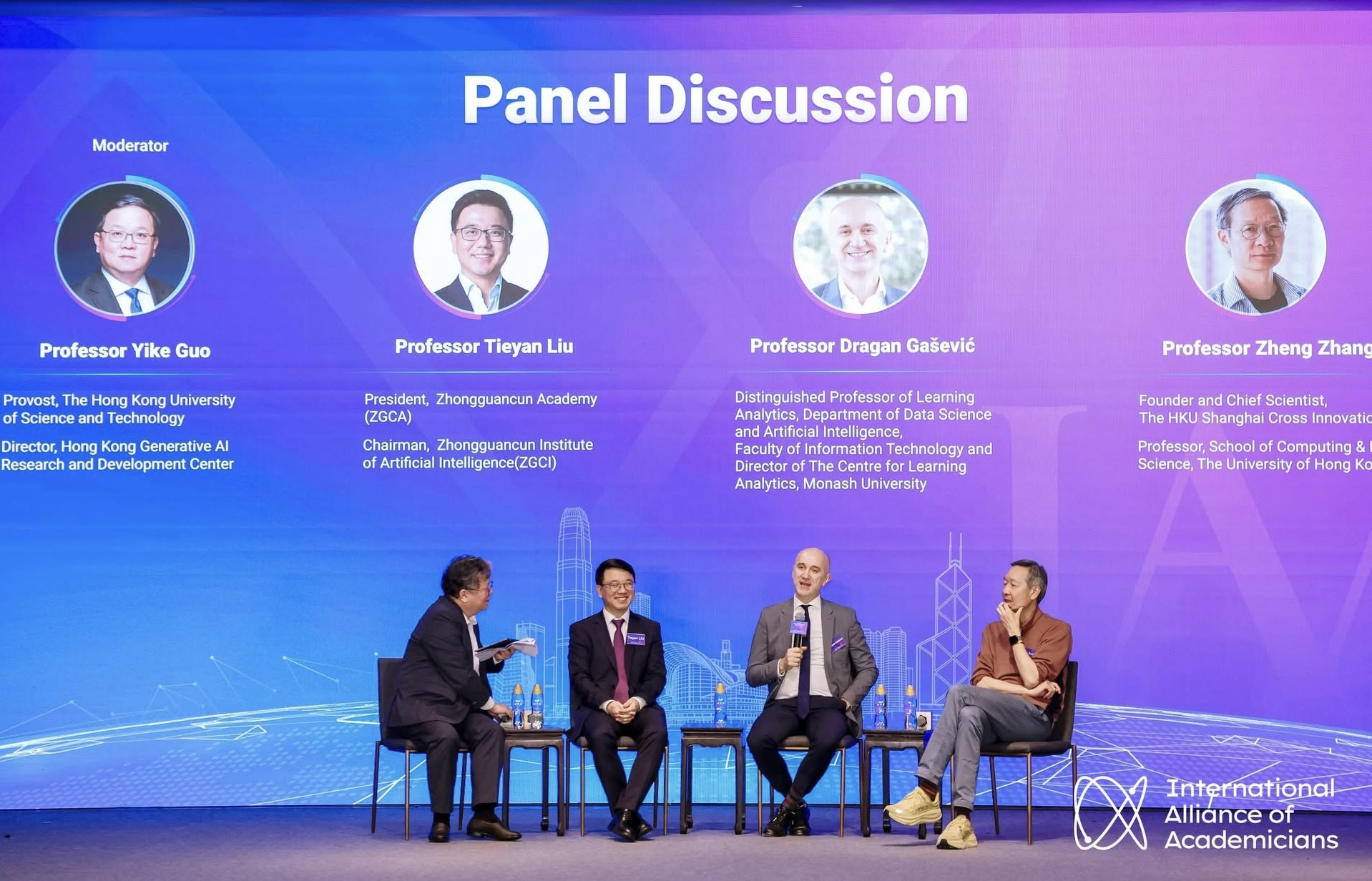
The session "AI and Innovation in Higher Education" was co-chaired by Professor Peng Gong, Vice-President and Pro-Vice-Chancellor (Academic Development) of The University of Hong Kong, and Professor Yike Guo, Provost of The Hong Kong University of Science and Technology. Professor Tieyan Liu, President of Zhongguancun Academy, spoke on "Talent Development in the Age of Artificial Intelligence", discussing how higher education should respond to a new wave of technological transformation and its impact on talent development models. Professor Dragan Gasevic, Distinguished Professor at Monash University, presented "From Hype to Evidence: Human Learning in the Age of Generative AI", focusing on the evidence base in learning analytics and education research. Professor Zheng Zhang of The University of Hong Kong spoke on "The Development, Challenges and Opportunities of AIGC", sharing his views on the potential and limitations of AI-generated content in teaching and research.
The session emphasises that educational innovation under the influence of AI is not only about the introduction of technological tools, but also about how higher education can rethink pedagogy, research paradigms, and talent development in the age of generative AI while striking a balance between innovative applications and academic quality.
Looking ahead, the IAA will continue to build on Hong Kong's international advantages, promote global academic exchange and cooperation, bring together world-class scholars and innovators, and deepen cross-disciplinary dialogue and collaboration in science, education and healthcare.